









Navigating the complexities of healthcare can be daunting, especially when it comes to understanding the different parts of Medicare. Knowing what your Medicare Part A covers when you need hospital care is essential for financial planning and peace of mind. This guide will provide a comprehensive overview of Medicare Part A hospital stays, including what’s covered, costs involved, and how to make the most of your benefits.
What is Medicare Part A?
Overview of Part A Coverage
Medicare Part A, often referred to as hospital insurance, helps cover inpatient care in hospitals, skilled nursing facilities, hospice, and some home health care. It’s a crucial part of your Medicare coverage, providing a safety net when you need significant medical care.
- Hospital Inpatient Care: This is the primary focus of Part A.
- Skilled Nursing Facility (SNF) Care: Following a qualifying hospital stay.
- Hospice Care: For those with a terminal illness.
- Some Home Health Care: Medically necessary care prescribed by a doctor.
Eligibility for Part A
Most people are automatically eligible for premium-free Part A when they turn 65 if they or their spouse have worked for at least 10 years (40 quarters) in Medicare-covered employment. You can also be eligible if you have End-Stage Renal Disease (ESRD) or Amyotrophic Lateral Sclerosis (ALS, also known as Lou Gehrig’s disease). If you don’t qualify for premium-free Part A, you may be able to buy it.
- Age 65 and older: With sufficient work history.
- Under 65 with certain disabilities: After receiving Social Security disability benefits for 24 months.
- Individuals with ESRD or ALS: Meeting specific requirements.
What Part A Covers During a Hospital Stay
Inpatient Hospital Services
Medicare Part A covers a wide range of services you receive as an inpatient in a hospital.
- Room and Board: A semi-private room is generally covered.
- Nursing Care: Includes general nursing services.
- Hospital Meals: Dietary needs are typically accommodated.
- Lab Tests: Bloodwork, X-rays, and other diagnostic tests.
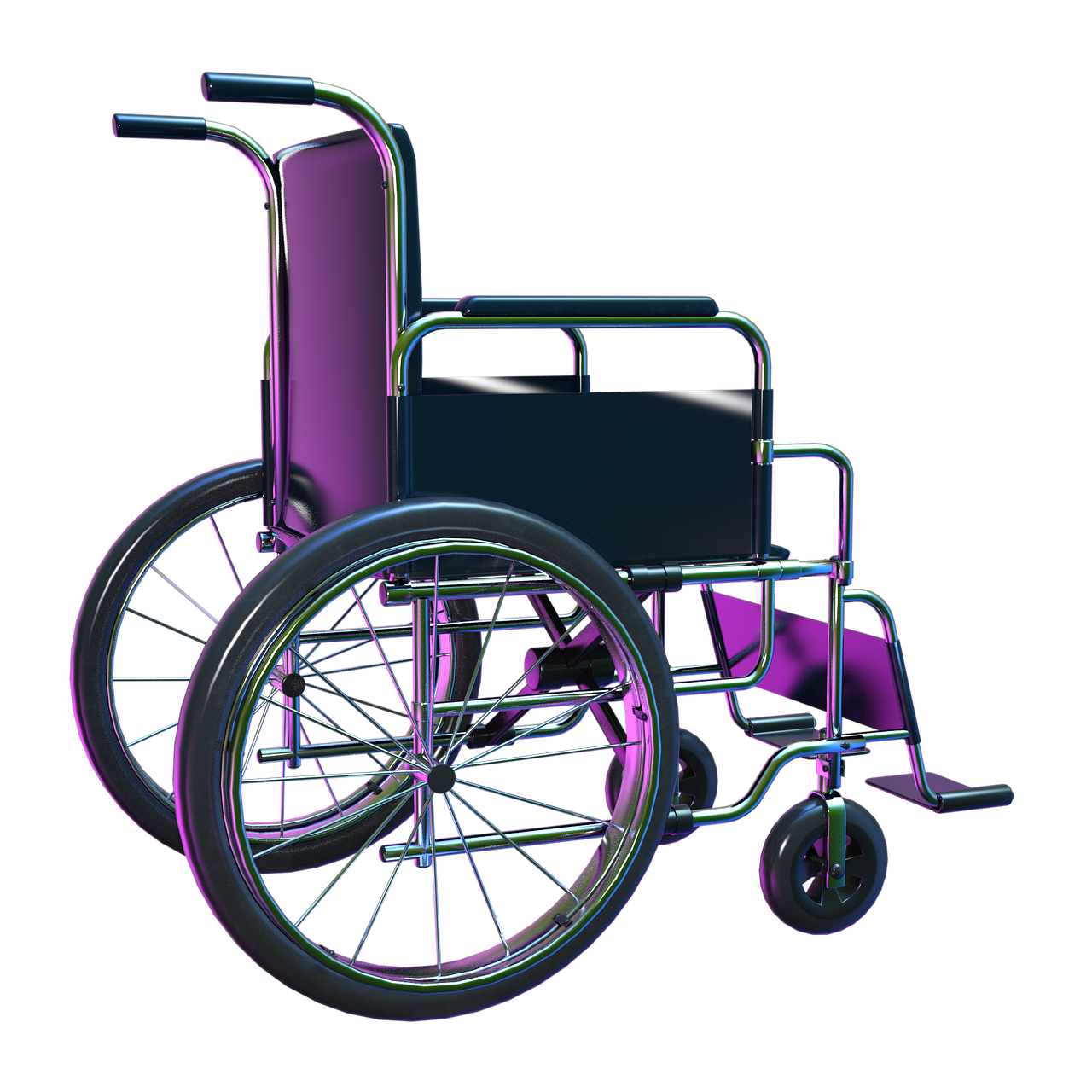
- Medical Appliances: Wheelchairs, walkers, and other necessary equipment used during your stay.
- Prescription Drugs: Medications administered during your inpatient stay.
- Example: If you’re admitted to the hospital for pneumonia, Part A would cover your room, nursing care, antibiotics administered by the hospital staff, and any necessary lab tests to monitor your condition.
What Part A Doesn’t Cover
It’s important to know what Part A doesn’t cover:
- Doctor’s Services: These are typically covered under Medicare Part B.
- Private Room (unless medically necessary): You may have to pay extra for a private room if it isn’t deemed medically necessary.
- Personal Items: Toiletries, newspapers, and other personal comfort items.
- Cosmetic Surgery: Unless medically necessary to correct a health issue.
Understanding Part A Costs: Deductibles and Coinsurance
The Part A Deductible
The Part A deductible is the amount you pay before Medicare starts to pay its share. This deductible applies per benefit period. In 2024, the Part A deductible is $1,600.
- Benefit Period: Begins the day you’re admitted as an inpatient and ends when you haven’t received any inpatient hospital care (or skilled nursing facility care) for 60 days in a row.
Coinsurance and Copayments
After you meet the deductible, Medicare Part A pays for your covered services for up to 60 days. After day 60, coinsurance costs kick in.
- Days 1-60: $0 coinsurance per benefit period
- Days 61-90: $400 coinsurance per day of each benefit period in 2024
- Days 91 and beyond: $800 coinsurance per each “lifetime reserve day” after day 90 for each benefit period (up to 60 days over your lifetime)
- Beyond lifetime reserve days: You pay all costs
- Practical Example: If you stay in the hospital for 75 days, you would pay the $1,600 deductible, $0 coinsurance for days 1-60, and $400 per day for days 61-75 (a total of $6,000).
Lifetime Reserve Days
Lifetime Reserve Days are an additional 60 days that Medicare will pay for if you need to stay in the hospital for more than 90 days in a benefit period. These are “lifetime” days, meaning once you use them, they are gone.
How to Prepare for a Hospital Stay Covered by Part A
Pre-Planning and Documentation
Being prepared can ease the stress of a hospital stay.
- Know Your Coverage: Understand what Part A covers and doesn’t cover.
- Keep Your Medicare Card Handy: Have your card readily available for registration.
- Compile a List of Medications: Include dosages and frequency.
- Inform Loved Ones: Let family members know your situation and keep them updated.
- Prepare Important Documents: Advance directives, living wills, and powers of attorney.
During Your Stay
- Ask Questions: Don’t hesitate to ask your doctors and nurses about your care and treatment plan.
- Keep Track of Services: While you don’t need to track every item, be aware of the services you’re receiving.
- Review Your Medicare Summary Notice (MSN): This notice will show the services billed to Medicare and the amounts you may owe.
Appealing a Part A Coverage Decision
When to Appeal
You have the right to appeal a Medicare decision if you disagree with it. Common reasons for appeal include:
- Denial of Coverage: Medicare denies payment for services you believe should be covered.
- Premature Discharge: You feel you’re being discharged too early.
How to File an Appeal
The appeals process involves several levels:
- Tip:* Keep detailed records of your medical care and the reasons for your appeal. Seek assistance from your doctor or a patient advocate.
Conclusion
Understanding Medicare Part A and its coverage for hospital stays is crucial for managing your healthcare costs and ensuring you receive the care you need. By knowing what’s covered, understanding the costs involved, and preparing for potential hospital stays, you can navigate the healthcare system with confidence. Remember to stay informed, ask questions, and advocate for your healthcare needs.