









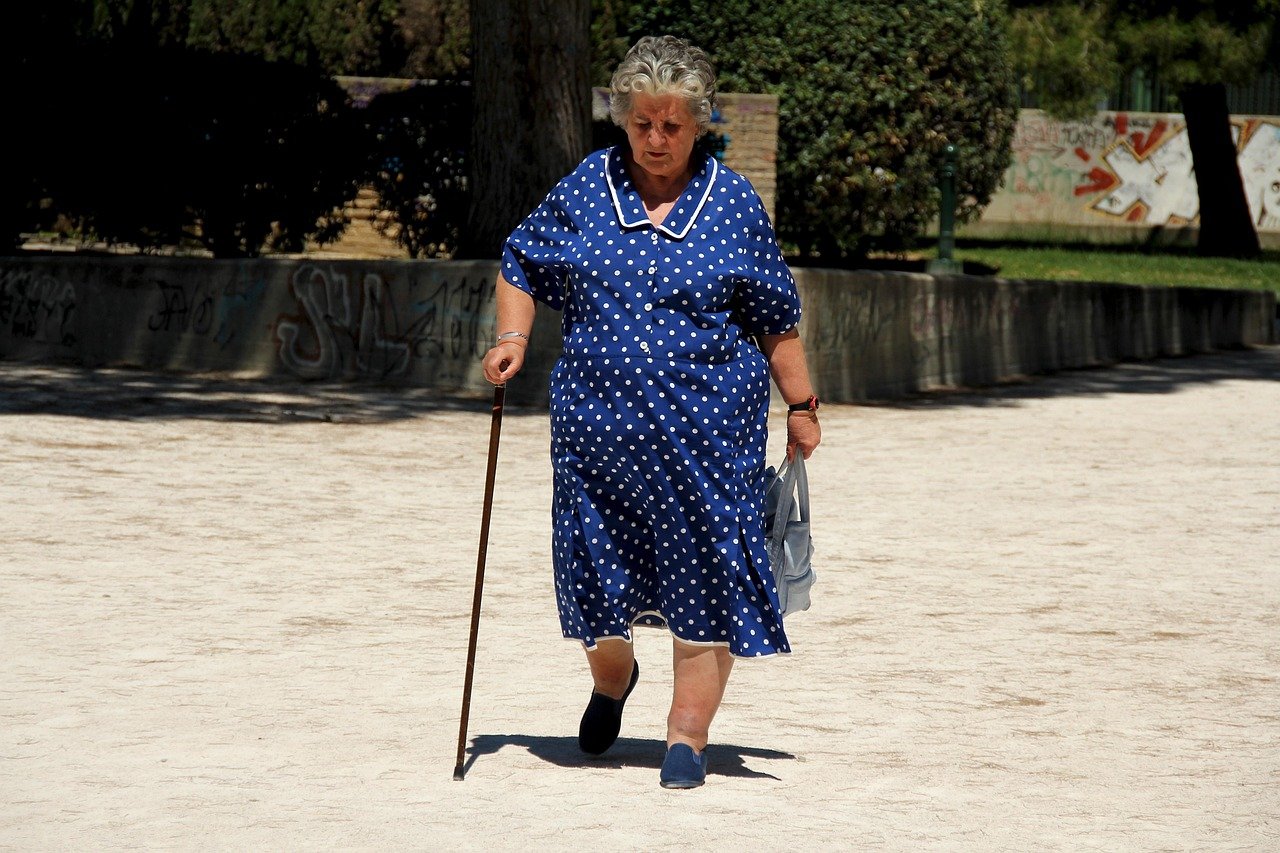
Age brings wisdom, but it can also bring challenges to mobility. Maintaining independence and an active lifestyle is crucial for senior citizens, and thankfully, a wide range of senior mobility aids are available to assist them in navigating their daily lives with greater ease and confidence. This blog post will explore the various options available, helping you understand the benefits and features of each so you can make informed decisions.
Understanding Senior Mobility Challenges
Common Mobility Issues in Seniors
Mobility issues can arise from a variety of age-related conditions, impacting a senior’s ability to move freely and safely. Some of the most common challenges include:
- Arthritis: Causes joint pain and stiffness, making movement difficult.
- Osteoporosis: Weakens bones, increasing the risk of fractures.
- Muscle weakness: Age-related muscle loss (sarcopenia) can reduce strength and balance.
- Neurological conditions: Conditions like Parkinson’s disease and stroke can affect motor skills and coordination.
- Balance problems: Increased risk of falls due to inner ear issues or medication side effects.
The Importance of Mobility Aids
Senior mobility aids play a vital role in addressing these challenges by:
- Increasing independence and reducing reliance on caregivers.
- Preventing falls and injuries. According to the CDC, falls are a leading cause of injury and death from injury among older Americans.
- Promoting physical activity and overall well-being.
- Improving quality of life by enabling seniors to participate in social activities and hobbies.
- Reducing social isolation by allowing seniors to get out and about more easily.
Types of Mobility Aids for Seniors
Walking Canes
Walking canes are a simple yet effective mobility aid that provides stability and support.
- Standard Canes: A single point of contact with the ground, offering basic support. Suitable for mild balance issues. For example, a lightweight aluminum cane can provide reliable support for someone with slight unsteadiness.
- Quad Canes: Four points of contact for increased stability. Ideal for individuals with moderate balance problems. Quad canes are particularly helpful for seniors recovering from a stroke or injury.
- Folding Canes: Convenient for storage and travel. A folding cane easily fits into a bag when not in use, making it ideal for errands and appointments.
- Ergonomic Handle Canes: Designed for comfortable grip and reduced strain on the wrist. A cane with an ergonomic handle can alleviate pain for someone with arthritis in their hands.
Walkers
Walkers offer greater stability than canes and are suitable for seniors with more significant mobility limitations.
- Standard Walkers: Four-legged frames that provide a wide base of support. Seniors lift and move the walker forward with each step. A standard walker is a good choice for someone who needs a lot of stability but doesn’t require wheels.
- Rolling Walkers (Rollators): Equipped with wheels for easier movement. Often include a seat for resting. Three-wheeled and four-wheeled rollators are available. Rollators allow users to walk with a more natural gait and are beneficial for those with limited upper body strength.
- Upright Walkers: Designed to promote an upright posture, reducing strain on the back and wrists. Upright walkers can improve posture and reduce back pain for seniors who tend to slouch.
Wheelchairs
Wheelchairs provide mobility for seniors who are unable to walk or have limited walking ability.
- Manual Wheelchairs: Propelled by the user or a caregiver. A standard manual wheelchair is suitable for occasional use or when assistance is readily available.
- Power Wheelchairs: Electrically powered, allowing independent movement. Power wheelchairs offer greater freedom and independence for seniors with significant mobility impairments.
- Transport Wheelchairs: Lightweight and foldable for easy transportation. Transport wheelchairs are designed for short-term use and are often used for doctor’s appointments or travel.
Scooters
Mobility scooters offer a convenient and comfortable way to travel longer distances.
- Three-Wheel Scooters: Offer greater maneuverability. Three-wheel scooters are ideal for navigating tight spaces and indoor environments.
- Four-Wheel Scooters: Provide increased stability. Four-wheel scooters are better suited for outdoor use and uneven terrain.
- Heavy-Duty Scooters: Designed for larger individuals and can handle rougher terrain. A heavy-duty scooter is a good choice for seniors who need a robust and durable mobility solution.
Choosing the Right Mobility Aid
Assessing Individual Needs
The best mobility aid depends on individual needs and abilities. Consider the following factors:
- Level of mobility: How much assistance is needed?
- Balance and coordination: Are there any balance problems?
- Strength and endurance: How strong is the upper body?
- Living environment: Is the home accessible?
- Lifestyle: How active is the individual?
Consulting with Healthcare Professionals
It’s important to consult with a doctor or physical therapist to determine the most appropriate mobility aid. Healthcare professionals can:
- Assess mobility limitations and underlying conditions.
- Recommend specific types of mobility aids.
- Provide training on proper usage and safety.
- Help adjust the device for optimal fit and comfort.
Trying Before Buying
Whenever possible, try out different mobility aids before making a purchase. This allows you to assess comfort, stability, and ease of use. Many medical supply stores offer rentals or trial periods.
Safety Tips for Using Mobility Aids
General Safety Guidelines
- Follow the manufacturer’s instructions for proper usage and maintenance.
- Ensure the mobility aid is properly adjusted to your height and weight.
- Use the mobility aid on even surfaces whenever possible.
- Be aware of your surroundings and avoid obstacles.
- Wear appropriate footwear with good traction.
- Regularly inspect the mobility aid for any signs of wear or damage.
Preventing Falls
Falls are a major concern for seniors. Here are some tips to prevent falls while using mobility aids:
- Maintain a clear and clutter-free environment.
- Use adequate lighting.
- Install grab bars in bathrooms and showers.
- Use assistive devices as recommended by healthcare professionals.
- Strengthen muscles and improve balance through regular exercise.
- Schedule regular vision and hearing check-ups.
Conclusion
Senior mobility aids can significantly enhance the quality of life for older adults, enabling them to maintain independence, stay active, and reduce the risk of falls. By understanding the various types of mobility aids available, assessing individual needs, and consulting with healthcare professionals, seniors and their families can make informed decisions to choose the best solution for their specific circumstances. Prioritizing safety and following proper usage guidelines are crucial for maximizing the benefits of mobility aids and promoting overall well-being.