









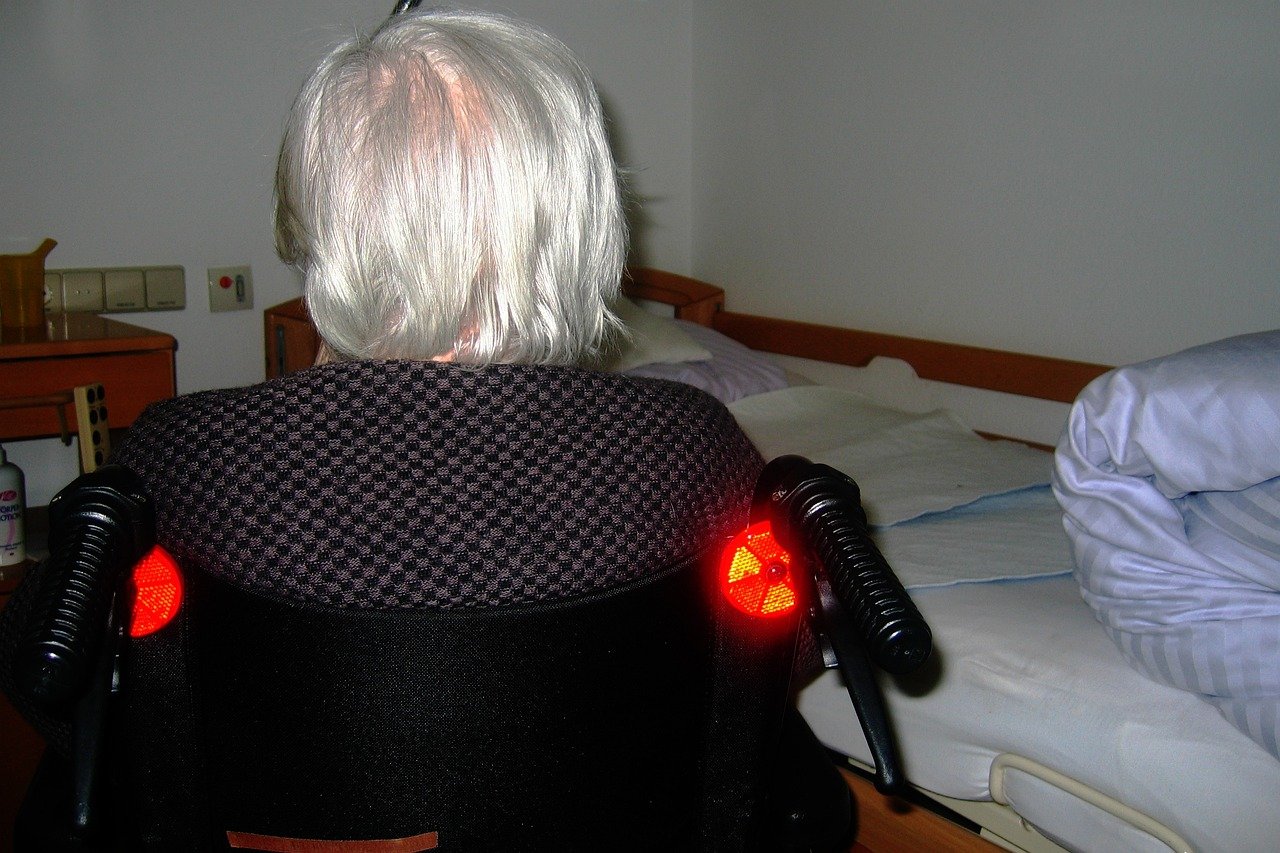
Navigating the complexities of senior care can be overwhelming, especially when facing serious illness. Understanding all available options is crucial for ensuring your loved one receives the best possible support and comfort during their final chapter. Hospice care offers a specialized approach that focuses on quality of life, pain management, and emotional well-being for seniors and their families. This guide will explore the intricacies of hospice care, helping you make informed decisions and access the compassionate support your family deserves.
Understanding Hospice Care
What is Hospice Care?
Hospice care is a specialized type of care for individuals facing a terminal illness with a prognosis of six months or less, if the illness runs its normal course. It emphasizes comfort, dignity, and quality of life, rather than curative treatments. The goal is to alleviate pain and other symptoms, while providing emotional and spiritual support to both the patient and their loved ones. It’s important to understand that hospice is not about giving up; it’s about embracing comfort and peace during a challenging time.
- Focus on Comfort: Hospice prioritizes pain management and symptom control.
- Comprehensive Support: It provides medical, emotional, and spiritual support.
- Family-Centered Approach: Hospice includes support and education for family members.
- Available at Home or in Facilities: Services can be provided in various settings.
Key Differences: Hospice vs. Palliative Care
While often used interchangeably, hospice and palliative care are distinct. Palliative care focuses on symptom relief for individuals with serious illnesses, regardless of prognosis. It can be provided alongside curative treatments. Hospice care, on the other hand, is specifically for those with a terminal illness and a limited life expectancy.
- Palliative Care: Focuses on symptom relief at any stage of a serious illness, with or without curative treatment.
- Hospice Care: Focuses on comfort and quality of life for individuals with a terminal illness and a prognosis of six months or less.
- Overlap: Hospice care includes palliative care principles but within a specific context of end-of-life care.
For example, a senior with heart failure might receive palliative care to manage symptoms like shortness of breath and fatigue, while still receiving treatments to manage the underlying condition. If their heart failure progresses and their prognosis becomes limited, they might transition to hospice care.
Benefits of Hospice Care for Seniors
Enhanced Quality of Life
Hospice care significantly improves the quality of life for seniors by focusing on their comfort and well-being. This involves managing pain, alleviating symptoms, and providing emotional and spiritual support.
- Pain Management: Hospice professionals are skilled in managing pain through medication and other therapies.
- Symptom Control: Addressing symptoms like nausea, fatigue, and anxiety to improve comfort.
- Emotional Support: Providing counseling and support to address emotional distress and grief.
Imagine a senior struggling with chronic pain that prevents them from enjoying their favorite activities. Hospice care can help manage that pain effectively, allowing them to spend quality time with loved ones, engage in hobbies, and find moments of joy.
Comprehensive Support for Families
Hospice care recognizes that a terminal illness affects the entire family. Therefore, it offers comprehensive support to help families cope with the emotional, practical, and spiritual challenges they face.
- Respite Care: Provides temporary relief for caregivers, allowing them to rest and recharge.
- Education and Training: Teaching family members how to provide basic care and manage symptoms.
- Bereavement Support: Offering counseling and support to family members after the death of their loved one.
A family caring for a senior with Alzheimer’s disease can benefit immensely from hospice care. The hospice team can provide respite care, allowing family caregivers to take a break, and offer guidance on managing challenging behaviors associated with the disease.
Reduced Hospitalizations
Hospice care often reduces the need for hospitalizations by providing comprehensive care in the comfort of the senior’s home or chosen setting. This can minimize disruptions and stress for both the patient and their family.
- Proactive Symptom Management: Addressing symptoms early to prevent complications.
- Skilled Nursing Care: Providing medical care and monitoring at home.
- 24/7 Availability: Offering access to support and guidance whenever needed.
For example, a senior with COPD receiving hospice care can have their respiratory symptoms managed at home, preventing unnecessary trips to the emergency room. The hospice team can provide oxygen therapy, medication management, and education to help the patient and family manage the condition effectively.
Accessing Hospice Care: Eligibility and Coverage
Determining Eligibility
To be eligible for hospice care, a senior must have a terminal illness with a prognosis of six months or less, as certified by a physician. They must also agree to forgo curative treatments for their condition and focus on comfort and quality of life.
- Physician Certification: A doctor must certify that the individual has a terminal illness with a limited life expectancy.
- Patient Choice: The patient must choose to receive hospice care and forgo curative treatments.
- Willingness to Focus on Comfort: The patient must prioritize comfort and quality of life over aggressive medical interventions.
Understanding Medicare Hospice Benefits
Medicare Part A covers hospice care for eligible seniors. This includes:
- Medical Equipment and Supplies: Such as wheelchairs, walkers, and oxygen equipment.
- Medications: Related to the terminal illness and its symptoms.
- Nursing Care: Provided by registered nurses and other healthcare professionals.
- Therapy Services: Including physical, occupational, and speech therapy.
- Counseling and Social Work Services: To address emotional and spiritual needs.
It’s crucial to understand that while Medicare covers many aspects of hospice care, it typically does not cover room and board if the senior is living in a nursing home or assisted living facility. Additionally, it does not cover curative treatments aimed at treating the underlying illness.
Other Insurance Coverage Options
Besides Medicare, hospice care may be covered by Medicaid, private insurance, and Veterans Affairs (VA) benefits. It is important to check with your insurance provider to understand the specific coverage details.
- Medicaid: Offers hospice benefits to eligible low-income individuals.
- Private Insurance: Many private insurance plans offer hospice coverage.
- VA Benefits: Veterans may be eligible for hospice care through the VA.
Choosing the Right Hospice Provider
Factors to Consider
Selecting the right hospice provider is a critical decision that can significantly impact the quality of care your loved one receives. Here are some key factors to consider:
- Accreditation: Ensure the provider is accredited by a reputable organization such as the Joint Commission or the National Hospice and Palliative Care Organization (NHPCO).
- Reputation: Research the provider’s reputation through online reviews, testimonials, and referrals from healthcare professionals.
- Services Offered: Determine if the provider offers the specific services your loved one needs, such as specialized pain management, spiritual care, or bereavement support.
- Location and Availability: Consider the provider’s service area and availability, especially if your loved one requires 24/7 care.
- Staff Qualifications: Inquire about the qualifications and experience of the hospice team, including nurses, physicians, social workers, and chaplains.
- Philosophy of Care: Understand the provider’s philosophy of care and ensure it aligns with your values and preferences.
Questions to Ask Potential Providers
When interviewing potential hospice providers, ask the following questions to help you make an informed decision:
- What services do you offer, and how are they tailored to individual needs?
- What is your approach to pain management and symptom control?
- How do you provide emotional and spiritual support to patients and families?
- What is your staff-to-patient ratio?
- What is your response time for urgent needs?
- How do you communicate with families and keep them informed about their loved one’s condition?
- What bereavement support services do you offer to families after the death of their loved one?
Evaluating the Hospice Team
The hospice team is the heart of hospice care. Take the time to meet with the team members who will be providing care to your loved one. Observe their interactions and assess their compassion, communication skills, and expertise.
- Nurses: Provide medical care, manage symptoms, and educate families.
- Physicians: Oversee the plan of care and provide medical direction.
- Social Workers: Offer emotional support, counseling, and assistance with practical matters.
- Chaplains: Provide spiritual support and guidance.
- Home Health Aides: Assist with personal care and household tasks.
- Volunteers: Offer companionship and support to patients and families.
Addressing Common Concerns About Hospice Care
Fear of “Giving Up”
One of the most common concerns about hospice care is the perception that it means “giving up.” However, hospice is not about giving up; it’s about shifting the focus from curative treatments to comfort and quality of life. It allows seniors to live their final days with dignity, peace, and surrounded by loved ones.
- Focus on Comfort: Hospice prioritizes pain management and symptom control.
- Quality of Life: It aims to improve the overall quality of life for patients and families.
- Empowerment: Hospice empowers seniors to make choices about their care and how they want to spend their final days.
Misconceptions About Pain Management
Some people worry that hospice care will involve excessive medication or that pain cannot be effectively managed. However, hospice professionals are highly skilled in pain management and use a variety of techniques to alleviate discomfort.
- Individualized Approach: Pain management is tailored to each patient’s specific needs.
- Medication and Therapies: A combination of medication, therapies, and complementary treatments are used.
- Close Monitoring: Pain levels are closely monitored and adjusted as needed.
Concerns About Cost
Cost is another common concern about hospice care. However, Medicare and many other insurance plans cover hospice services, making it an affordable option for many seniors.
- Medicare Coverage: Medicare Part A covers hospice care for eligible individuals.
- Medicaid Coverage: Medicaid offers hospice benefits to eligible low-income individuals.
- Private Insurance: Many private insurance plans offer hospice coverage.
Conclusion
Hospice care provides invaluable support to seniors facing a terminal illness and their families. By focusing on comfort, quality of life, and comprehensive support, hospice helps individuals navigate their final chapter with dignity and peace. Understanding the benefits, eligibility requirements, and how to choose the right hospice provider is essential for making informed decisions and accessing the compassionate care your loved one deserves. Don’t hesitate to explore hospice care as a way to enhance the quality of life for your senior loved one and provide support to your family during a challenging time.