









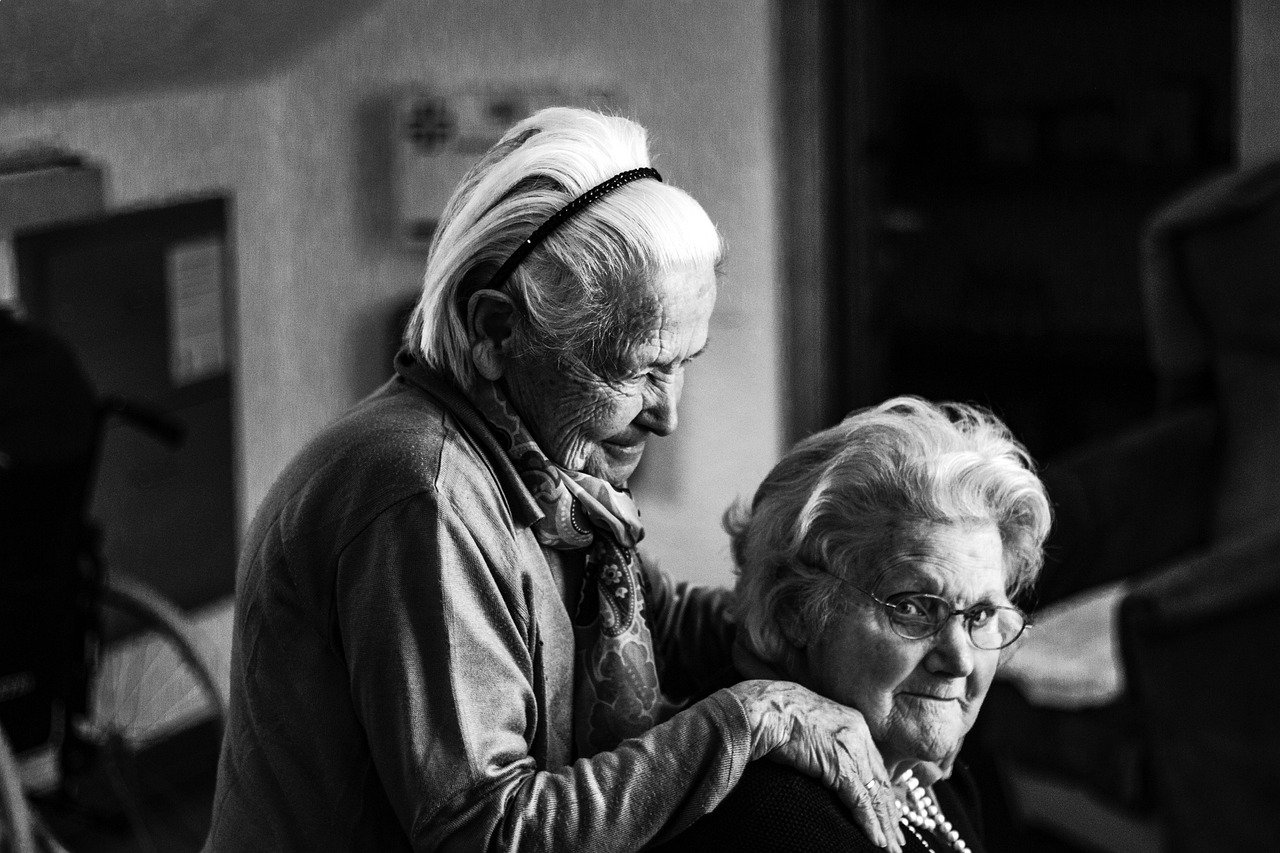
Navigating the complexities of aging often requires more than just general healthcare; it demands specialized care tailored to the unique needs of elderly individuals. This specialized care aims to enhance their quality of life, promote independence, and provide support for both physical and cognitive challenges that may arise. Understanding the nuances of geriatric care and its various facets can empower families and caregivers to make informed decisions that prioritize the well-being of their loved ones.
Understanding Geriatric Care: A Specialized Approach
Geriatric care, also known as elderly care or senior care, focuses on the specific health and well-being needs of older adults. It encompasses a wide range of services designed to address the complex and often multiple health conditions that are common in later life. Unlike general medical care, geriatric care takes a holistic approach, considering not only physical health but also mental, emotional, and social well-being.
The Need for Specialized Care
- Age-related changes: Aging brings about physiological changes that can increase vulnerability to certain diseases and conditions.
- Multiple chronic conditions: Many seniors have several chronic health issues simultaneously, requiring coordinated and specialized management.
- Cognitive decline: Conditions like Alzheimer’s disease and dementia are prevalent in older adults and require specialized support and care.
- Functional limitations: Loss of mobility, strength, and coordination can significantly impact daily living activities.
- Social isolation: Elderly individuals may experience loneliness and isolation, impacting their mental and emotional health.
For example, an elderly individual with diabetes, arthritis, and early-stage dementia requires a care plan that addresses all three conditions in a coordinated manner, considering their interactions and potential impact on each other. A geriatric specialist is trained to manage these complexities.
Goals of Geriatric Care
- Promote independence and functional ability.
- Manage chronic conditions effectively.
- Prevent falls and injuries.
- Improve quality of life.
- Provide emotional and social support.
- Ensure a comfortable and dignified aging process.
Types of Specialized Care for the Elderly
Specialized care for the elderly encompasses a broad spectrum of services, each designed to address specific needs and circumstances. These services can be provided in various settings, from the comfort of one’s home to specialized facilities.
Home Health Care
- Personal care: Assistance with bathing, dressing, and toileting.
- Medication management: Ensuring proper medication adherence.
- Skilled nursing care: Wound care, injections, and monitoring vital signs.
- Therapy services: Physical, occupational, and speech therapy.
- Companionship: Providing social interaction and emotional support.
Home health care allows seniors to remain in their familiar environment while receiving the necessary support to manage their health and daily activities. For instance, a home health aide can assist a stroke survivor with exercises prescribed by a physical therapist to regain mobility.
Assisted Living Facilities
- Housing: Private or semi-private apartments with supportive services.
- Meals: Prepared meals and dining services.
- Activities: Social and recreational programs.
- Personal care assistance: Help with activities of daily living.
- Medication management: Assistance with medication administration.
- 24-hour supervision: Ensuring safety and security.
Assisted living is a good option for seniors who need some assistance with daily tasks but do not require the intensive medical care provided in a nursing home. A senior with mobility issues might choose assisted living for help with bathing, dressing, and preparing meals.
Nursing Homes (Skilled Nursing Facilities)
- 24-hour skilled nursing care: Medical care provided by licensed nurses.
- Rehabilitation services: Physical, occupational, and speech therapy.
- Medical monitoring: Regular monitoring of vital signs and health conditions.
- Personal care assistance: Help with activities of daily living.
- Specialized care units: Dementia care, wound care, and other specialized services.
Nursing homes are designed for seniors who require a high level of medical care and supervision. This might include someone recovering from surgery, managing a chronic illness, or needing specialized dementia care.
Memory Care Units
- Secure environment: Designed to prevent wandering and ensure safety.
- Specialized staff: Trained to manage the unique needs of individuals with dementia.
- Cognitive stimulation activities: Activities designed to engage the mind and improve cognitive function.
- Personalized care plans: Tailored to the individual’s cognitive and functional abilities.
- Therapeutic interventions: Music therapy, art therapy, and other therapies to promote well-being.
Memory care units provide a secure and supportive environment for individuals with Alzheimer’s disease and other forms of dementia. They offer specialized programs and activities to help maintain cognitive function and improve quality of life.
Navigating the Challenges of Geriatric Care
Providing specialized care for the elderly can be challenging, both emotionally and practically. Understanding the common challenges and developing strategies to address them can help ensure the best possible care for your loved one.
Financial Considerations
- Cost of care: Geriatric care services can be expensive, especially long-term care.
- Insurance coverage: Medicare and private insurance may cover some, but not all, geriatric care services.
- Long-term care insurance: Can help cover the costs of long-term care services.
- Government assistance programs: Medicaid and other programs may provide financial assistance to eligible individuals.
Planning for the financial aspects of geriatric care is essential. Consider exploring all available resources and seeking professional financial advice.
Emotional and Psychological Challenges
- Caregiver burnout: Providing care for an elderly loved one can be physically and emotionally draining.
- Guilt and stress: Caregivers may experience guilt or stress related to their caregiving responsibilities.
- Emotional distress in the elderly: Seniors may experience depression, anxiety, or loneliness.
- Family conflicts: Caregiving responsibilities can sometimes lead to conflicts within the family.
Seeking support from family, friends, or professional counselors can help caregivers manage stress and avoid burnout. Encouraging seniors to participate in social activities and maintain their independence can also improve their emotional well-being.
Ethical Considerations
- Respecting autonomy: Ensuring that seniors have the right to make their own decisions, even if those decisions are not what others think is best.
- Advance care planning: Discussing end-of-life wishes and creating advance directives (e.g., living will, durable power of attorney).
- Balancing safety and independence: Finding a balance between protecting seniors from harm and allowing them to maintain their independence.
- Informed consent: Ensuring that seniors understand the risks and benefits of medical treatments and interventions.
Ethical considerations are paramount in geriatric care. It’s important to have open and honest conversations with seniors and their families about their wishes and values.
Finding the Right Geriatric Care Professionals
Choosing the right geriatric care professionals is crucial to ensuring the best possible care for your loved one. Look for professionals with specialized training and experience in geriatric care.
Geriatricians
- Physicians specializing in the care of older adults.
- Expertise in managing multiple chronic conditions, cognitive decline, and functional limitations.
- Provide comprehensive assessments and develop individualized care plans.
Geriatric Nurses
- Registered nurses with specialized training in geriatric care.
- Provide skilled nursing care, medication management, and health education.
- Coordinate care and communicate with other healthcare providers.
Geriatric Social Workers
- Provide emotional and social support to seniors and their families.
- Help navigate the complexities of the healthcare system and access community resources.
- Offer counseling and support for caregivers.
Other Professionals
- Physical therapists: Help seniors regain mobility and function.
- Occupational therapists: Help seniors adapt to their environment and perform daily activities.
- Speech therapists: Help seniors with communication and swallowing difficulties.
- Geriatric psychiatrists: Diagnose and treat mental health conditions in older adults.
For example, a fall risk assessment done by a physical therapist can pinpoint areas where a senior is vulnerable and the therapist can then prescribe a personalized exercise plan to reduce the risk of future falls.
Technology and Innovation in Elderly Care
Technology is playing an increasingly important role in geriatric care, offering new ways to enhance the quality of life for seniors and support their caregivers.
Telehealth and Remote Monitoring
- Virtual doctor visits: Allow seniors to consult with healthcare providers from the comfort of their homes.
- Remote monitoring devices: Track vital signs, medication adherence, and activity levels.
- Early detection of health problems: Allows for timely intervention and prevents hospitalizations.
Telehealth can be particularly beneficial for seniors who have difficulty traveling to doctor’s appointments or who live in rural areas.
Assistive Technology
- Mobility aids: Walkers, canes, and wheelchairs to improve mobility.
- Adaptive equipment: Devices to help with dressing, bathing, and eating.
- Home automation: Smart home devices to improve safety and convenience.
- Personal emergency response systems (PERS): Allow seniors to call for help in an emergency.
An example is smart pill dispensers that remind seniors to take their medication and automatically dispense the correct dosage at the right time.
Robotics and AI
- Companion robots: Provide social interaction and companionship.
- Caregiving robots: Assist with tasks such as medication reminders, mobility assistance, and fall detection.
- AI-powered diagnostic tools: Help healthcare providers diagnose and treat age-related conditions more effectively.
While still in the early stages of development, robotics and AI have the potential to revolutionize geriatric care by providing personalized support and improving efficiency.
Conclusion
Specialized care for the elderly is a crucial aspect of ensuring their well-being and quality of life as they age. Understanding the different types of care available, navigating the challenges, and finding the right professionals can empower families and caregivers to provide the best possible support for their loved ones. By embracing technology and prioritizing a holistic approach that considers physical, mental, and emotional well-being, we can help seniors age with dignity and independence.