









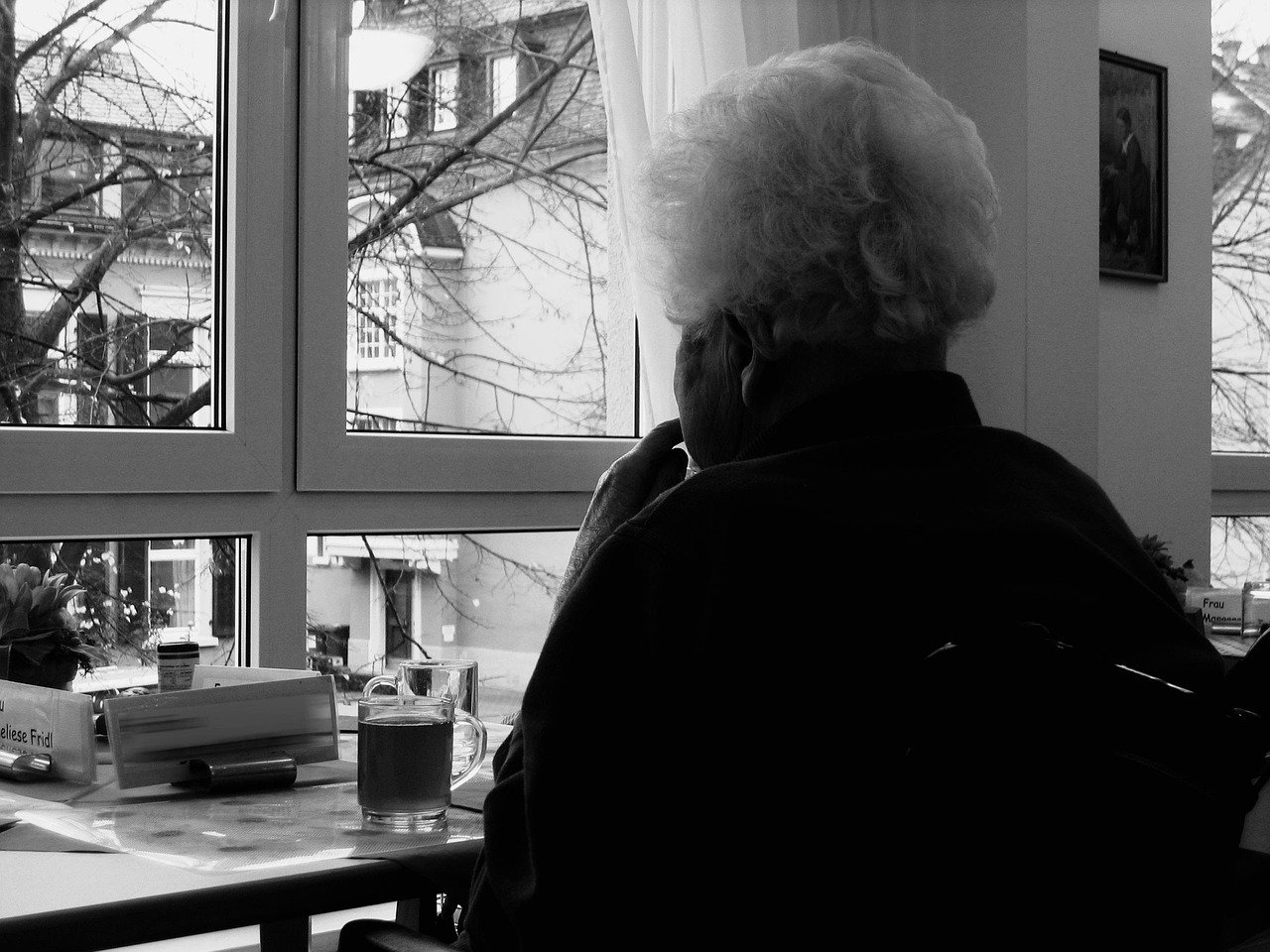
Seniors with disabilities often face unique challenges, requiring specialized care and support. Understanding these challenges and the resources available is crucial for ensuring a high quality of life and promoting independence. This blog post delves into the various aspects of supporting seniors with disabilities, offering practical advice and insights for caregivers, family members, and seniors themselves.
Understanding Disabilities in Seniors
Prevalence and Types of Disabilities
Disabilities in seniors are more common than many realize. According to the CDC, around 37% of adults aged 65 and older have some type of disability. These can range from mild to severe and can significantly impact daily living. Understanding the types of disabilities is the first step in providing appropriate support.
- Mobility Impairments: Difficulty walking, using stairs, or maintaining balance. This can include conditions like arthritis, osteoporosis, and stroke.
- Sensory Impairments: Vision loss, hearing loss, and decreased sense of touch. Age-related macular degeneration and glaucoma are common vision impairments, while presbycusis (age-related hearing loss) affects a large percentage of seniors.
- Cognitive Impairments: Memory loss, dementia, and Alzheimer’s disease. These conditions affect thinking, reasoning, and communication.
- Mental Health Conditions: Depression, anxiety, and other mental health issues are often underdiagnosed and undertreated in seniors.
- Chronic Health Conditions: Conditions like heart disease, diabetes, and respiratory problems can limit physical function and contribute to disability.
Impact on Daily Life
Disabilities can profoundly affect a senior’s ability to perform everyday tasks. This can lead to a loss of independence and a need for assistance with:
- Activities of Daily Living (ADLs): Bathing, dressing, eating, toileting, and transferring (moving from a bed to a chair).
- Instrumental Activities of Daily Living (IADLs): Managing finances, cooking, cleaning, shopping, and using transportation.
For example, a senior with mobility impairments may require assistance with grocery shopping, while a senior with cognitive impairments may need help managing their medications and finances.
Accessing Support and Resources
Government Programs and Benefits
Numerous government programs offer support to seniors with disabilities. Navigating these programs can be complex, but the benefits can significantly improve quality of life.
- Social Security Disability Insurance (SSDI): Provides income support to those who have worked and paid Social Security taxes.
- Supplemental Security Income (SSI): Provides financial assistance to low-income individuals with disabilities, regardless of work history.
- Medicare: Provides health insurance coverage to seniors, including those with disabilities.
- Medicaid: Offers health coverage to low-income individuals and families, and often covers long-term care services not covered by Medicare.
- Veterans Affairs (VA) Benefits: Veterans with disabilities may be eligible for a range of benefits, including healthcare, housing assistance, and financial support.
Actionable Takeaway: Contact your local Social Security office, Area Agency on Aging, or a disability resource center to learn more about eligibility requirements and how to apply for these programs.
Community Services and Organizations
Many community organizations offer services to support seniors with disabilities. These services can provide valuable assistance and promote independence.
- Area Agencies on Aging (AAAs): Provide information and referral services, case management, home-delivered meals, transportation assistance, and other services.
- Disability Resource Centers (DRCs): Offer a wide range of services, including independent living skills training, advocacy, peer support, and assistive technology resources.
- Senior Centers: Provide social and recreational activities, educational programs, and health and wellness services.
- Nonprofit Organizations: Organizations like the Alzheimer’s Association, the American Cancer Society, and the American Heart Association offer support and resources for specific conditions.
Practical Example: A senior with vision loss could benefit from services offered by the American Foundation for the Blind, such as orientation and mobility training.
Creating a Supportive Living Environment
Home Modifications and Assistive Technology
Modifying the home environment and using assistive technology can greatly improve safety and independence for seniors with disabilities.
- Home Modifications: Installing grab bars in bathrooms, widening doorways for wheelchair access, adding ramps, and improving lighting.
- Assistive Technology: Devices like walkers, wheelchairs, hearing aids, magnifiers, and medication organizers.
- Smart Home Technology: Voice-activated assistants (e.g., Amazon Echo, Google Home) can help with tasks like turning on lights, making phone calls, and setting reminders.
Key Consideration: Consult with an occupational therapist to assess a senior’s needs and recommend appropriate home modifications and assistive technology. Many local organizations offer financial assistance for home modifications.
Choosing the Right Care Setting
When in-home care is insufficient, consider alternative living arrangements that provide the necessary support. Options include:
- Assisted Living Facilities: Offer housing, meals, personal care services, and social activities.
- Nursing Homes: Provide 24-hour medical care, skilled nursing services, and rehabilitation therapies.
- Memory Care Units: Specialized facilities for individuals with Alzheimer’s disease and other forms of dementia.
- Independent Living Communities: Offer housing for seniors who are still relatively independent but desire a supportive environment.
Tip: Visit several facilities, speak with residents and staff, and carefully review the services offered before making a decision.
Promoting Well-being and Independence
Encouraging Physical Activity and Social Engagement
Physical activity and social engagement are crucial for maintaining both physical and mental well-being in seniors with disabilities.
- Physical Activity: Exercise programs tailored to individual abilities, such as chair yoga, walking, and water aerobics.
- Social Engagement: Participating in senior center activities, joining clubs, volunteering, and maintaining connections with friends and family.
Example: A senior with arthritis could benefit from aquatic therapy, which is gentle on the joints and can improve range of motion.
Addressing Mental Health Needs
Mental health conditions are common in seniors with disabilities, and addressing these needs is essential for overall well-being.
- Counseling and Therapy: Individual or group therapy can help seniors cope with anxiety, depression, and other mental health issues.
- Medication Management: Work with a healthcare provider to ensure appropriate medication use and management of side effects.
- Support Groups: Connecting with others who have similar experiences can provide emotional support and reduce feelings of isolation.
Important Note: Don’t hesitate to seek professional help if a senior is experiencing symptoms of depression, anxiety, or other mental health concerns.
Conclusion
Supporting seniors with disabilities requires a comprehensive approach that addresses their unique needs and promotes independence, well-being, and quality of life. By understanding the types of disabilities, accessing available resources, creating a supportive environment, and promoting physical and mental health, we can help seniors with disabilities live fulfilling and meaningful lives. Remember to advocate for their needs, empower them to make choices, and celebrate their strengths.