









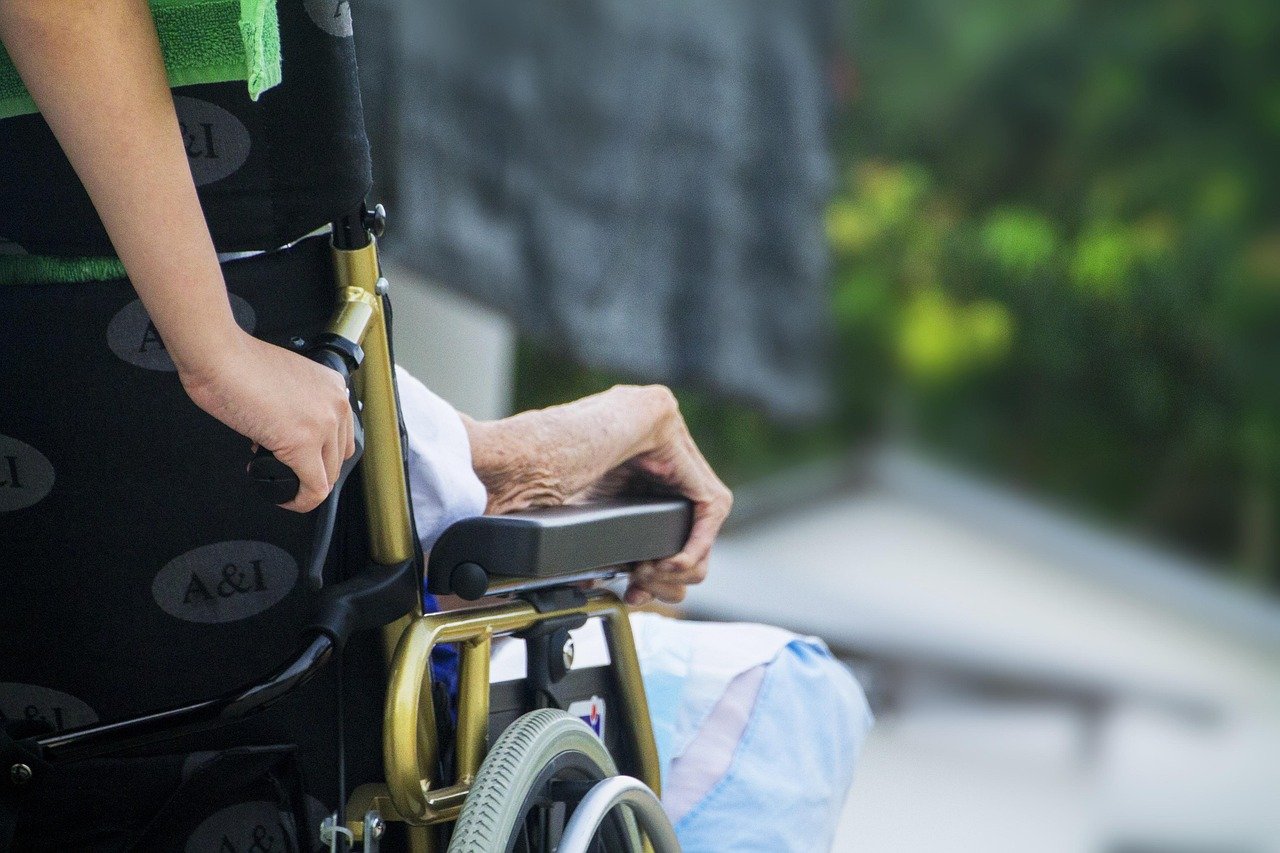
Maintaining independence and dignity as we age is a universal desire. However, the realities of aging can sometimes make personal care a challenge. From mobility issues to cognitive changes, various factors can impact an elderly individual’s ability to care for themselves. This article provides a comprehensive guide to personal care for the elderly, offering practical advice, strategies, and resources to help seniors maintain their well-being and quality of life.
Understanding the Importance of Personal Care for the Elderly
Personal care encompasses a range of activities that individuals perform to maintain their hygiene, health, and overall well-being. For elderly individuals, assistance with these activities can significantly impact their physical and mental health, fostering independence and preventing health complications.
The Impact on Physical Health
- Improved hygiene reduces the risk of infections and skin problems.
- Proper nutrition supports overall health and energy levels.
- Regular exercise and mobility assistance can prevent muscle atrophy and improve circulation.
- Assistance with medication management ensures adherence to prescribed treatments.
The Impact on Mental Health
- Maintaining independence and dignity boosts self-esteem and confidence.
- Social interaction during personal care activities can combat feelings of loneliness and isolation.
- A clean and comfortable environment promotes relaxation and reduces stress.
- Cognitive stimulation during personal care routines can help maintain mental acuity.
Statistics Highlighting the Need
According to the National Council on Aging (NCOA), approximately 92% of seniors have at least one chronic disease, and 77% have at least two. Providing proper personal care can significantly improve the management of these conditions and enhance the overall quality of life.
Essential Areas of Personal Care
Personal care for the elderly covers several essential areas, each requiring tailored approaches to meet individual needs and preferences.
Hygiene and Grooming
Maintaining personal hygiene is vital for preventing infections and promoting self-esteem.
- Bathing and Showering:
Assistance with bathing or showering, including getting in and out of the tub or shower safely.
Ensuring the water temperature is comfortable and safe.
Using adaptive equipment like shower chairs and grab bars.
- Oral Hygiene:
Assistance with brushing teeth and flossing.
Monitoring for dental issues like gum disease or cavities.
Ensuring dentures are properly cleaned and fitted.
- Hair Care:
Washing, brushing, and styling hair.
Arranging for haircuts as needed.
- Nail Care:
Trimming and cleaning fingernails and toenails to prevent infections.
Seeking professional podiatric care for individuals with diabetes or other foot problems.
Nutrition and Meal Preparation
Proper nutrition is crucial for maintaining health and energy levels.
- Meal Planning:
Creating balanced meal plans that meet nutritional needs and dietary restrictions.
Considering individual preferences and cultural backgrounds.
- Grocery Shopping:
Assistance with grocery shopping, ensuring access to healthy and affordable foods.
- Meal Preparation:
Preparing meals that are easy to eat and digest.
Providing assistance with feeding if needed.
Ensuring proper hydration throughout the day.
- Dietary Considerations:
Monitoring for food allergies or intolerances.
Adapting meals to accommodate swallowing difficulties (dysphagia).
Mobility and Exercise
Maintaining physical activity is essential for preventing muscle atrophy and improving circulation.
- Assistance with Walking:
Providing support while walking, using assistive devices like canes or walkers.
Ensuring a safe and clutter-free environment.
- Range of Motion Exercises:
Performing gentle exercises to maintain joint flexibility and prevent stiffness.
- Physical Therapy:
Working with a physical therapist to develop a customized exercise program.
- Fall Prevention:
Implementing measures to prevent falls, such as installing grab bars and removing tripping hazards.
Medication Management
Ensuring adherence to prescribed medications is vital for managing chronic conditions.
- Medication Reminders:
Providing reminders to take medications at the correct times.
- Medication Organization:
Organizing medications using pill organizers or blister packs.
- Monitoring Side Effects:
Observing for any adverse side effects and reporting them to the healthcare provider.
- Refill Management:
Ensuring medications are refilled on time to prevent interruptions in treatment.
Creating a Comfortable and Safe Environment
A safe and comfortable living environment is crucial for the well-being of elderly individuals.
Home Modifications
- Install Grab Bars:
Installing grab bars in bathrooms to assist with getting in and out of the shower or toilet.
- Ramps and Stair Lifts:
Adding ramps or stair lifts to improve accessibility for individuals with mobility issues.
- Non-Slip Flooring:
Replacing slippery flooring with non-slip materials to prevent falls.
- Improved Lighting:
Ensuring adequate lighting throughout the home to reduce the risk of accidents.
- Clear Pathways:
Removing clutter and obstacles from walkways to prevent tripping hazards.
Assistive Devices
- Walkers and Canes:
Providing walkers or canes for individuals who need assistance with balance and mobility.
- Hearing Aids:
Ensuring hearing aids are properly fitted and maintained.
- Magnifying Glasses:
Offering magnifying glasses to assist with reading and other tasks.
- Adaptive Utensils:
Using adaptive utensils with large handles for individuals with arthritis or limited hand strength.
Emergency Preparedness
- Emergency Contact List:
Creating a list of emergency contacts and posting it in a visible location.
- Medical Information:
Keeping a record of medical conditions, medications, and allergies readily available.
- First Aid Kit:
Maintaining a well-stocked first aid kit.
- Emergency Alert System:
Considering an emergency alert system that allows individuals to call for help with the push of a button.
Addressing Cognitive and Emotional Needs
Cognitive and emotional well-being are just as important as physical health.
Cognitive Stimulation
- Engaging Activities:
Providing activities that stimulate the mind, such as puzzles, reading, and games.
- Memory Exercises:
Engaging in memory exercises to help maintain cognitive function.
- Social Interaction:
Encouraging social interaction through visits with friends and family or participation in group activities.
Emotional Support
- Companionship:
Providing companionship to combat feelings of loneliness and isolation.
- Active Listening:
Listening attentively and providing emotional support.
- Counseling Services:
Seeking professional counseling services if needed.
Managing Dementia
- Creating a Routine:
Establishing a consistent daily routine to provide structure and reduce anxiety.
- Simplifying Tasks:
Breaking down tasks into smaller, more manageable steps.
- Communication Strategies:
Using clear and simple language when communicating.
- Safe Environment:
Creating a safe and secure environment to prevent wandering and accidents.
Conclusion
Providing comprehensive personal care for the elderly is essential for promoting their well-being, independence, and dignity. By understanding the various aspects of personal care and implementing practical strategies, caregivers and family members can significantly improve the quality of life for their elderly loved ones. Remember to tailor the care plan to meet the individual’s unique needs and preferences, ensuring a person-centered approach that prioritizes their comfort, safety, and happiness. Seeking professional support and resources can further enhance the effectiveness of personal care and provide valuable guidance along the way.