









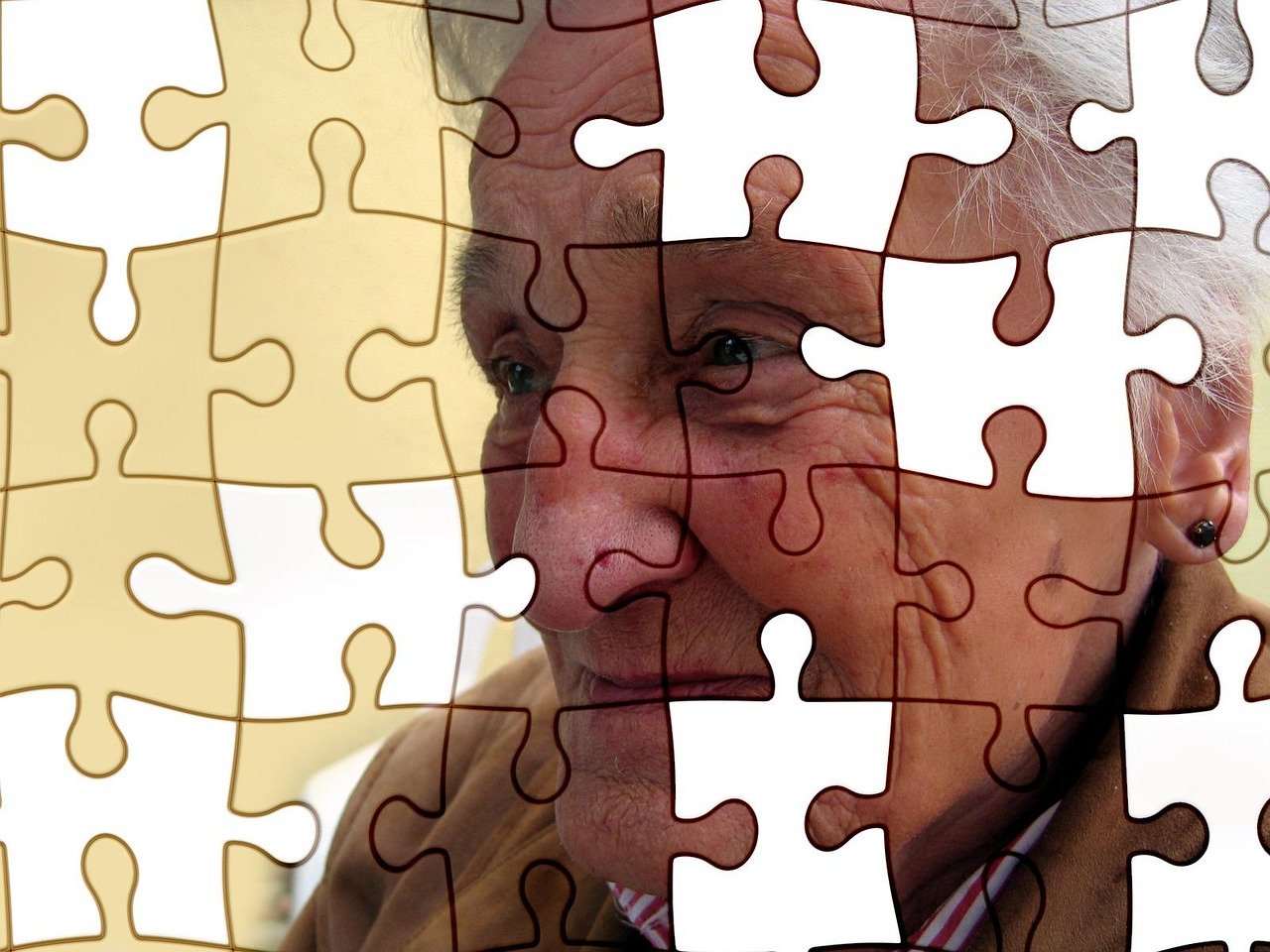
Taking care of elderly loved ones requires compassion, patience, and a solid understanding of their unique personal care needs. As individuals age, they may face challenges in maintaining their hygiene, mobility, and overall well-being. This blog post delves into the essential aspects of personal care for the elderly, offering guidance and practical tips to ensure their comfort, dignity, and health.
Understanding the Importance of Personal Care for the Elderly
Personal care encompasses a wide range of activities aimed at assisting seniors with daily tasks they may find difficult or impossible to perform independently. Providing adequate personal care is vital for maintaining not only their physical health but also their mental and emotional well-being. Failing to address these needs can lead to a decline in their quality of life, increased risk of infections, and feelings of isolation and depression.
Benefits of Proper Personal Care
- Enhanced Dignity: Assistance with personal care allows elderly individuals to maintain their sense of independence and self-respect, even when facing physical limitations.
- Improved Hygiene: Regular bathing, grooming, and oral hygiene prevent infections and promote overall health.
- Reduced Risk of Falls: Assistance with mobility and dressing reduces the risk of falls and injuries.
- Enhanced Mental Well-being: Social interaction during personal care tasks can alleviate loneliness and improve mood. Knowing their needs are met reduces anxiety.
- Early Detection of Health Issues: Caregivers can observe changes in skin, mobility, or behavior that may indicate underlying health problems.
Statistics and Facts
- According to the National Council on Aging (NCOA), approximately 80% of older adults have at least one chronic disease, and 77% have at least two. These conditions often impact their ability to perform daily tasks.
- The CDC reports that falls are a leading cause of injury and death from injury among older Americans. Personal care assistance can play a crucial role in preventing falls.
- Studies show that loneliness and social isolation are associated with a significantly increased risk of premature mortality in older adults.
Key Areas of Personal Care
Personal care encompasses several critical areas that contribute to the overall well-being of the elderly. Addressing these areas requires a tailored approach based on individual needs and abilities.
Bathing and Hygiene
Maintaining proper hygiene is crucial for preventing infections and promoting overall health. This area includes bathing, showering, skin care, and oral hygiene.
- Bathing Options: Consider different bathing options based on mobility. These might include sponge baths, shower chairs, or walk-in tubs.
- Skin Care: Use gentle, moisturizing soaps to prevent dry skin and irritation. Regularly apply lotion to keep skin hydrated. Check for any signs of skin breakdown or pressure sores, especially in bedridden individuals.
- Oral Hygiene: Encourage regular brushing and flossing to maintain healthy teeth and gums. Assist with oral care if necessary, and schedule regular dental check-ups.
Example: For a bedridden individual, a sponge bath can be given daily, focusing on areas prone to sweating and bacteria buildup.
Dressing and Grooming
Assisting with dressing and grooming allows seniors to maintain their appearance and sense of dignity.
- Clothing Choices: Choose comfortable, easy-to-wear clothing with elastic waistbands and velcro closures.
- Grooming: Assist with hair brushing, shaving, and nail care. Keep nails trimmed to prevent injury.
- Personal Preferences: Respect individual preferences for clothing styles and grooming routines.
Example: Opt for slip-on shoes instead of those with laces to prevent tripping hazards and facilitate easier dressing.
Mobility and Transferring
Many elderly individuals experience mobility limitations, making it difficult to move around safely.
- Assistive Devices: Utilize assistive devices such as walkers, canes, and wheelchairs to promote mobility.
- Safe Transfer Techniques: Learn proper lifting and transferring techniques to prevent injuries to both the caregiver and the individual.
- Regular Exercise: Encourage gentle exercises to maintain muscle strength and flexibility.
Example: Install grab bars in the bathroom to assist with standing and sitting, reducing the risk of falls.
Toileting and Incontinence Care
Incontinence is a common issue among the elderly, requiring sensitive and discreet care.
- Scheduled Toileting: Encourage regular toileting to prevent accidents.
- Incontinence Products: Use appropriate incontinence products such as pads or briefs to manage leakage.
- Skin Care: Keep the skin clean and dry to prevent skin irritation and infections.
- Hydration: Ensure adequate fluid intake to prevent dehydration and constipation.
Example: Establish a toileting schedule, such as every two hours, to reduce the likelihood of accidents, especially for those with limited mobility.
Creating a Comfortable and Safe Environment
The environment plays a crucial role in the well-being of elderly individuals. Modifying the home to improve safety and comfort can significantly enhance their quality of life.
Home Modifications
- Fall Prevention: Remove tripping hazards, install grab bars, and improve lighting.
- Accessibility: Widen doorways, install ramps, and lower countertops to improve accessibility for wheelchairs or walkers.
- Comfort: Ensure a comfortable temperature and adequate ventilation.
- Emergency Preparedness: Install smoke detectors and carbon monoxide detectors, and create an emergency plan.
Emotional Support and Social Interaction
- Companionship: Spend time engaging in conversation and activities.
- Social Activities: Encourage participation in social events and hobbies.
- Emotional Validation: Listen to their concerns and provide emotional support.
- Memory Care: Engage in activities that stimulate memory and cognitive function.
Example: Setting up a medication management system with reminders can ensure medication adherence and reduce the risk of errors.
Communicating Effectively with Elderly Individuals
Effective communication is essential for providing respectful and compassionate care.
Tips for Clear Communication
- Speak Clearly and Slowly: Use a clear and calm voice, and speak slowly to allow time for processing.
- Maintain Eye Contact: Maintain eye contact to show that you are listening and engaged.
- Use Simple Language: Avoid using complex jargon or technical terms.
- Listen Actively: Pay attention to both verbal and nonverbal cues.
- Be Patient: Allow plenty of time for them to respond.
- Address Concerns: Acknowledge and address their concerns with empathy and understanding.
Understanding Communication Challenges
- Hearing Loss: Use visual aids, speak louder, or use assistive listening devices.
- Cognitive Impairment: Use simple language, repeat information, and provide cues.
- Speech Difficulties: Be patient and allow them to communicate in their own way.
- Emotional Barriers: Create a safe and supportive environment to encourage open communication.
Conclusion
Providing personal care for the elderly is a rewarding but demanding task. By understanding their unique needs, creating a safe and comfortable environment, and communicating effectively, caregivers can significantly enhance their quality of life and ensure their well-being. Remember to prioritize their dignity, respect their preferences, and seek professional help when needed. With compassion and dedication, you can make a positive difference in the lives of your elderly loved ones.