









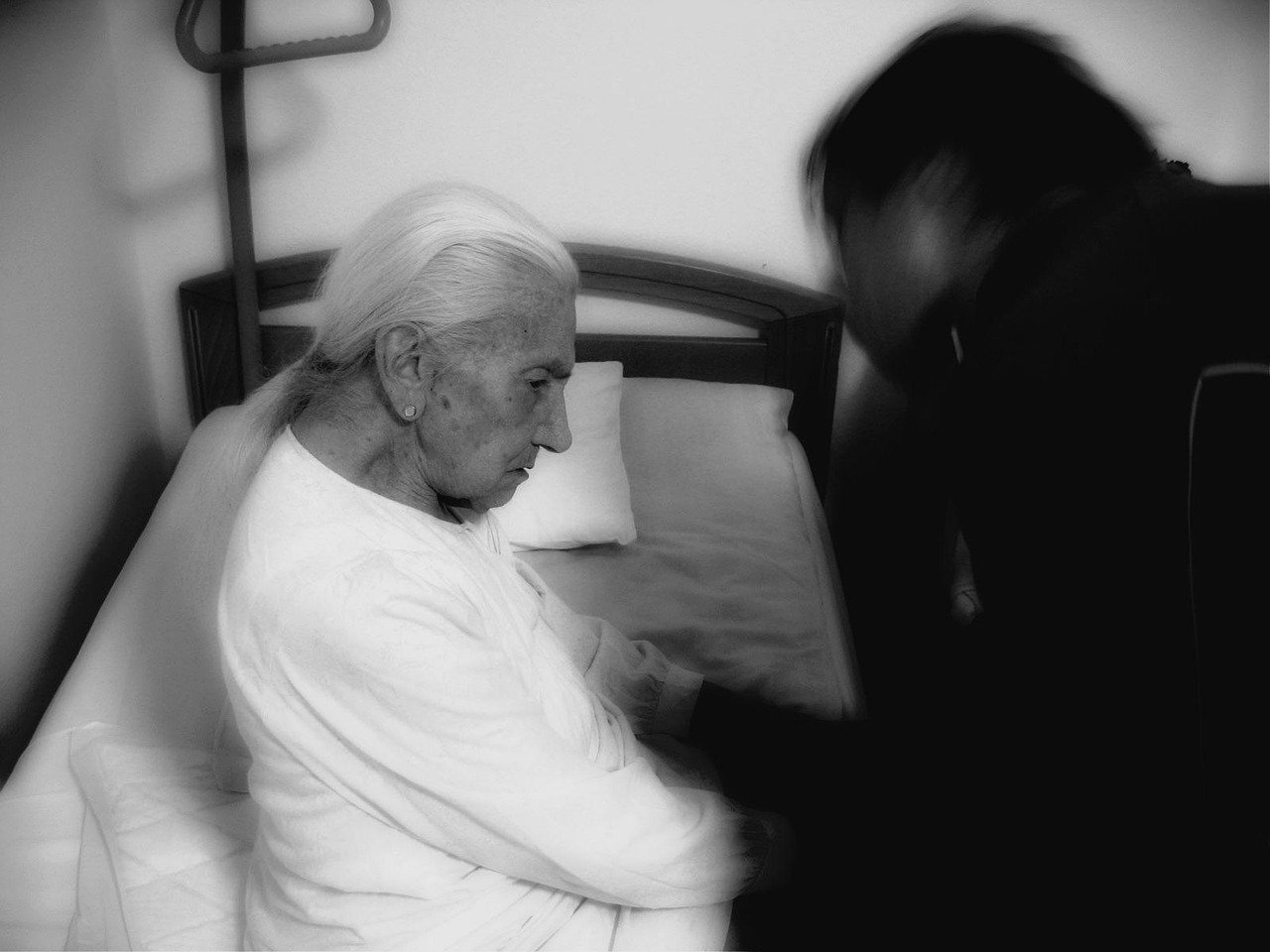
Navigating the complexities of aging often requires more than just basic assistance; it demands specialized care tailored to the unique needs of each individual. As our loved ones age, they may face a variety of challenges, from managing chronic conditions to maintaining their independence. Understanding the different types of specialized care available is crucial for ensuring their comfort, safety, and overall well-being. This blog post will delve into the world of specialized elderly care, exploring its various facets and providing valuable insights for families and caregivers.
Understanding Specialized Care for the Elderly
Specialized care for the elderly refers to a range of services designed to address specific health conditions, cognitive impairments, or physical limitations that commonly affect older adults. It goes beyond standard senior care and requires a deeper understanding of geriatric medicine, specialized therapies, and personalized care plans.
Identifying the Need for Specialized Care
Recognizing the signs that your loved one may benefit from specialized care is the first step. Some common indicators include:
- Increased Difficulty with Activities of Daily Living (ADLs): These include bathing, dressing, eating, toileting, and mobility.
- Cognitive Decline: Memory loss, confusion, and difficulty with problem-solving can be signs of dementia or Alzheimer’s disease.
- Chronic Health Conditions: Managing conditions like diabetes, heart disease, or arthritis often requires specialized medical attention and support.
- Frequent Falls: A history of falls or a fear of falling can indicate a need for assistance with mobility and balance.
- Behavioral Changes: Agitation, aggression, or withdrawal can be signs of underlying medical or psychological issues.
- Difficulty Managing Medications: Forgetting to take medications or taking them incorrectly can have serious health consequences.
For example, if your parent, who has been independent for years, starts forgetting to pay bills or leaves the stove on, these could be warning signs that require further evaluation and potentially, specialized care.
Types of Specialized Care Services
There are numerous specialized care services available, each designed to address specific needs.
- Dementia Care: This includes specialized memory care facilities and in-home care tailored to individuals with Alzheimer’s disease or other forms of dementia. The focus is on providing a safe and supportive environment that promotes cognitive stimulation and reduces anxiety.
- Parkinson’s Disease Care: This type of care involves managing motor and non-motor symptoms, providing assistance with mobility and daily tasks, and offering therapies to improve quality of life.
- Cardiac Care: Specialized cardiac care focuses on managing heart conditions through medication management, dietary modifications, and rehabilitation programs.
- Palliative Care: This type of care provides relief from the symptoms and stress of serious illness. It can be provided alongside curative treatments and is focused on improving quality of life for both the patient and their family.
- Hospice Care: Hospice care is provided to individuals with a terminal illness and a life expectancy of six months or less. It focuses on providing comfort, pain management, and emotional support.
- Wound Care: Specialized wound care is designed to treat and manage chronic wounds, such as pressure ulcers, diabetic ulcers, and surgical wounds.
Navigating Dementia and Alzheimer’s Care
Dementia and Alzheimer’s disease present unique challenges, requiring specialized care approaches that prioritize safety, comfort, and cognitive engagement.
Understanding the Spectrum of Cognitive Decline
It’s crucial to understand the different stages of dementia to provide appropriate care.
- Early Stage: Individuals may experience mild memory loss, difficulty with problem-solving, and changes in mood.
- Middle Stage: Symptoms become more pronounced, including increased memory loss, confusion, difficulty with communication, and behavioral changes.
- Late Stage: Individuals require significant assistance with all aspects of daily living and may experience physical decline and communication difficulties.
Strategies for Providing Effective Dementia Care
- Create a Safe and Structured Environment: Minimize clutter, remove hazards, and establish a consistent routine to reduce confusion and anxiety.
- Communicate Clearly and Simply: Use short sentences, speak slowly and calmly, and maintain eye contact.
- Engage in Meaningful Activities: Provide opportunities for cognitive stimulation through activities like reminiscing, music therapy, and art therapy.
- Manage Behavioral Symptoms: Identify triggers for agitation or aggression and develop strategies to manage these behaviors, such as distraction or redirection.
- Ensure Proper Nutrition and Hydration: Encourage healthy eating habits and provide assistance with meals if needed.
For example, creating a memory box filled with familiar objects and photos can help trigger positive memories and reduce anxiety for individuals with dementia.
Choosing the Right Dementia Care Setting
- In-Home Care: Allows individuals to remain in the comfort of their own home while receiving specialized care from trained caregivers.
- Adult Day Care: Provides a structured environment for individuals with dementia to participate in social and therapeutic activities during the day.
- Assisted Living Facilities with Memory Care Units: Offer specialized care in a residential setting with 24-hour supervision and tailored programs.
- Skilled Nursing Facilities: Provide comprehensive medical care for individuals with advanced dementia who require a high level of support.
Managing Chronic Conditions in the Elderly
Chronic conditions are a common challenge for older adults. Specialized care can help manage these conditions effectively and improve quality of life.
Common Chronic Conditions Requiring Specialized Care
- Diabetes: Requires careful monitoring of blood sugar levels, medication management, and dietary modifications.
- Heart Disease: May involve specialized cardiac care, medication management, and lifestyle changes.
- Arthritis: Can benefit from pain management therapies, physical therapy, and assistive devices.
- Chronic Obstructive Pulmonary Disease (COPD): Requires respiratory therapy, medication management, and lifestyle modifications.
- Osteoporosis: Needs fall prevention strategies, medication management, and weight-bearing exercises.
Developing a Comprehensive Care Plan
- Regular Medical Checkups: Ensure regular visits with healthcare providers to monitor chronic conditions and adjust treatment plans as needed.
- Medication Management: Work with a pharmacist or healthcare provider to ensure proper medication adherence and minimize side effects.
- Dietary Modifications: Consult with a registered dietitian to develop a meal plan that meets specific dietary needs and promotes overall health.
- Exercise Programs: Engage in regular physical activity to improve strength, balance, and cardiovascular health.
- Pain Management Strategies: Explore various pain management options, including medication, physical therapy, and alternative therapies.
For example, a diabetic elderly individual might benefit from a registered nurse visiting their home regularly to monitor their blood sugar levels and administer insulin injections, as well as a dietician developing a specialized meal plan tailored to their needs.
The Role of Technology in Chronic Condition Management
- Remote Monitoring Devices: Track vital signs, such as blood pressure and heart rate, and transmit data to healthcare providers.
- Medication Reminders: Provide reminders to take medications at the correct time and dosage.
- Telehealth Services: Offer remote consultations with healthcare providers, reducing the need for in-person visits.
Finding and Evaluating Specialized Care Providers
Choosing the right specialized care provider is a crucial step in ensuring the well-being of your loved one.
Assessing Credentials and Experience
- Verify Licenses and Certifications: Ensure that care providers are properly licensed and certified in their respective fields.
- Check References: Contact previous clients or employers to gather feedback on the care provider’s experience and qualifications.
- Review Training and Education: Inquire about the care provider’s training and education in specialized areas, such as dementia care or wound care.
Conducting Thorough Interviews
- Ask Specific Questions: Prepare a list of questions to ask potential care providers about their experience, approach to care, and fees.
- Assess Communication Skills: Evaluate the care provider’s ability to communicate effectively and empathetically.
- Observe Interactions: Watch how the care provider interacts with your loved one and assess their level of engagement and compassion.
Considering Costs and Payment Options
- Understand the Cost Structure: Inquire about the hourly rate, daily rate, or monthly fee for specialized care services.
- Explore Payment Options: Investigate various payment options, such as private pay, long-term care insurance, and government assistance programs.
- Create a Budget: Develop a budget that outlines the costs of specialized care and identifies potential sources of funding.
Before committing to a specific home healthcare agency, arrange for a trial period to ensure compatibility and satisfaction with the caregiver’s services.
Conclusion
Specialized care for the elderly plays a vital role in enhancing the quality of life for older adults facing unique health challenges. By understanding the different types of specialized care available, recognizing the signs that your loved one may benefit from these services, and carefully selecting qualified care providers, you can ensure that they receive the support they need to maintain their independence, comfort, and overall well-being. Remember to advocate for your loved one’s needs and prioritize their individual preferences when making decisions about their care.