









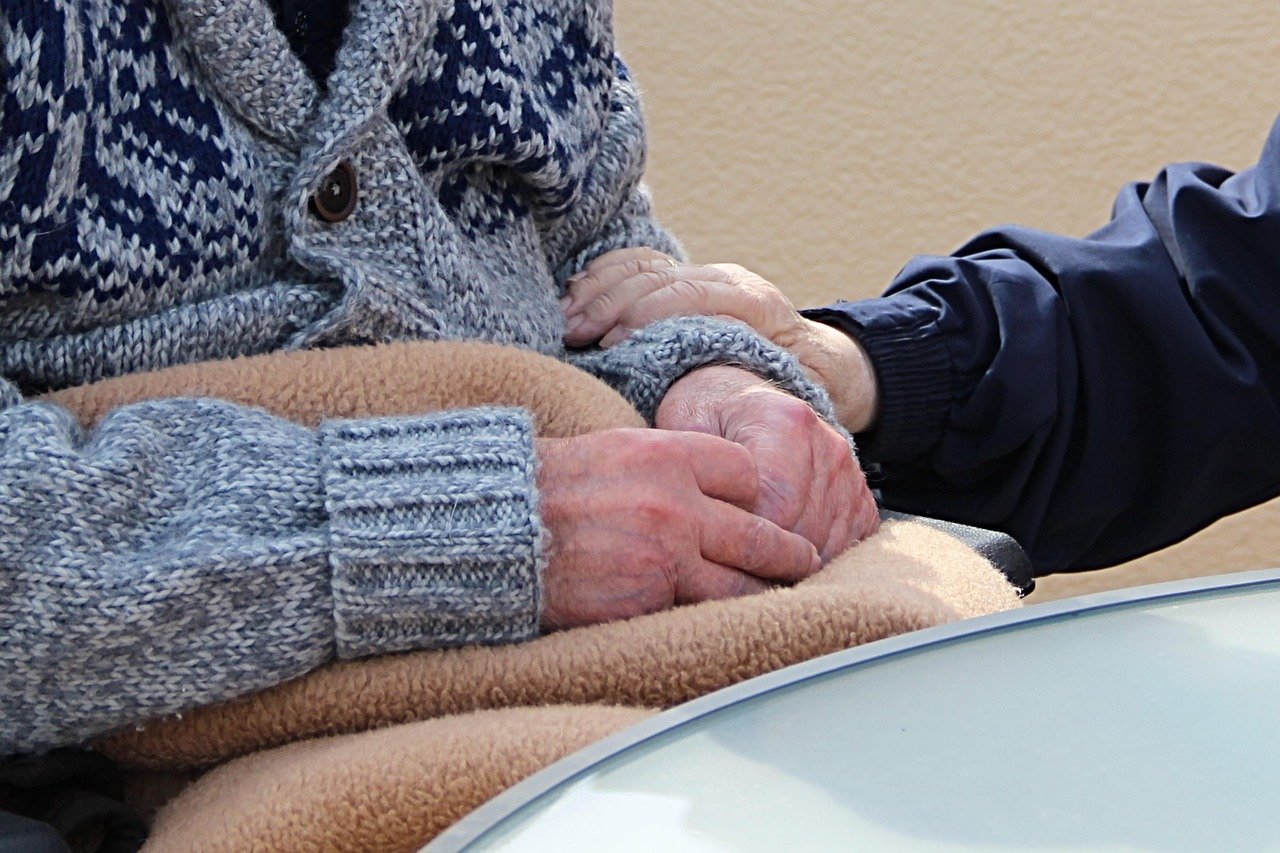
Caring for a loved one with dementia can be a deeply rewarding but also incredibly challenging experience. Navigating the complexities of memory loss, behavioral changes, and evolving care needs requires understanding, patience, and a well-thought-out plan. This comprehensive guide provides essential information and practical tips to help you provide the best possible dementia care for your loved one.
Understanding Dementia
What is Dementia?
Dementia is not a single disease but rather a general term for a decline in mental ability severe enough to interfere with daily life. It’s caused by damage to brain cells, impacting cognitive functions such as memory, thinking, language, judgment, and behavior.
- Alzheimer’s disease is the most common cause of dementia, accounting for 60-80% of cases.
- Other types include vascular dementia, Lewy body dementia, and frontotemporal dementia.
- Each type has distinct characteristics and progression patterns.
- Actionable Takeaway: Understanding the specific type of dementia your loved one has is crucial for tailoring care strategies and anticipating future needs. Consult with a healthcare professional for an accurate diagnosis and prognosis.
Symptoms of Dementia
Recognizing the symptoms of dementia early is crucial for timely intervention and support. These symptoms can vary depending on the type and stage of dementia.
- Memory Loss: Difficulty remembering recent events, names, or conversations. For example, repeatedly asking the same question.
- Cognitive Difficulties: Trouble concentrating, planning, problem-solving, or making decisions. Difficulty following instructions is common.
- Language Problems: Struggling to find the right words, understand conversations, or express thoughts clearly.
- Disorientation: Confusion about time, place, or person. Getting lost in familiar environments is a common sign.
- Behavioral Changes: Personality shifts, irritability, anxiety, depression, agitation, or aggression.
- Visual-Spatial Problems: Difficulty judging distances, recognizing objects, or navigating familiar spaces.
- Actionable Takeaway: Keep a detailed record of observed symptoms and share them with the doctor. This information will help in accurate diagnosis and development of an appropriate care plan.
Creating a Supportive Environment
Home Safety Modifications
Modifying the home environment can significantly enhance safety and independence for individuals with dementia.
- Reduce Clutter: Remove tripping hazards like loose rugs, electrical cords, and unnecessary furniture.
- Improve Lighting: Ensure adequate lighting, especially in hallways, bathrooms, and bedrooms. Nightlights are essential.
- Install Grab Bars: Install grab bars in bathrooms near the toilet and shower to prevent falls.
- Secure Appliances: Disconnect or lock away appliances that could be dangerous if misused, such as stoves or irons.
- Use Visual Cues: Label drawers and cupboards with large, clear labels to aid memory and orientation. Use contrasting colors to highlight edges of stairs.
- Practical Example: A simple modification like painting the bathroom door a distinct color can help individuals with dementia find the bathroom more easily.
Establishing a Routine
Consistency and predictability can reduce anxiety and confusion for individuals with dementia.
- Daily Schedule: Create a structured daily routine for meals, activities, personal care, and rest.
- Consistent Environment: Maintain a consistent physical environment and minimize changes to furniture arrangement.
- Simplified Tasks: Break down complex tasks into smaller, more manageable steps.
- Clear Communication: Use simple, direct language and avoid using jargon or abstract concepts.
- Actionable Takeaway: A structured routine can provide a sense of security and predictability, reducing agitation and improving cooperation.
Effective Communication Strategies
Understanding Communication Challenges
Dementia affects the ability to communicate effectively. Understanding these challenges can help caregivers adapt their communication strategies.
- Difficulty Understanding: Individuals with dementia may struggle to understand complex instructions or rapid speech.
- Difficulty Expressing: Finding the right words or expressing thoughts clearly can be challenging.
- Repetition: Repeating phrases or questions is common due to memory loss.
- Nonverbal Communication: Facial expressions, tone of voice, and body language become increasingly important.
- Actionable Takeaway: Patience and empathy are essential for effective communication.
Strategies for Clear Communication
Adapting communication strategies can significantly improve understanding and reduce frustration.
- Speak Slowly and Clearly: Use a calm, gentle tone of voice and speak slowly and distinctly.
- Maintain Eye Contact: Make eye contact to establish a connection and show you are listening.
- Use Simple Language: Use short, simple sentences and avoid using jargon or abstract concepts.
- Ask One Question at a Time: Avoid overwhelming with multiple questions at once.
- Offer Choices: Provide limited choices to empower the individual and promote independence. For example, “Would you like tea or coffee?”
- Use Visual Aids: Show pictures or objects to help clarify your message.
- Be Patient: Allow plenty of time for the individual to respond.
- Practical Example: Instead of asking “Do you want to get dressed now?”, try saying “It’s time to get dressed. Let’s put on your shirt first.”
Providing Personal Care
Managing Daily Activities
Assisting with daily activities can be challenging but is essential for maintaining dignity and well-being.
- Bathing: Make bathing a comfortable and safe experience by preparing the bathroom in advance, using gentle soap, and providing assistance as needed.
- Dressing: Choose comfortable, easy-to-wear clothing with simple closures. Lay out clothes in the order they should be put on.
- Eating: Ensure a balanced diet and provide assistance with meals as needed. Cut food into bite-sized pieces and offer encouragement.
- Toileting: Establish a regular toileting schedule and provide assistance with hygiene. Consider using absorbent pads or briefs if necessary.
- Actionable Takeaway: Patience and understanding are key when assisting with personal care. Focus on preserving dignity and promoting independence as much as possible.
Addressing Behavioral Challenges
Behavioral changes are common in dementia and can be distressing for both the individual and the caregiver.
- Wandering: Implement safety measures such as door alarms, secured gates, and identification bracelets.
- Agitation: Identify and address potential triggers for agitation, such as pain, hunger, or environmental stressors.
- Aggression: Remain calm and avoid confrontation. Redirect attention to a different activity or environment.
- Sleep Disturbances: Establish a regular sleep-wake cycle, create a relaxing bedtime routine, and limit caffeine and alcohol intake.
- Practical Example: If your loved one is agitated, try playing calming music or engaging in a familiar activity like looking through photo albums.
Seeking Support for Caregivers
Importance of Self-Care
Caring for someone with dementia can be emotionally and physically demanding. It’s crucial for caregivers to prioritize their own well-being.
- Respite Care: Utilize respite care services to take breaks and recharge.
- Support Groups: Join a support group to connect with other caregivers and share experiences.
- Professional Counseling: Seek professional counseling to address stress, anxiety, or depression.
- Healthy Lifestyle: Maintain a healthy diet, exercise regularly, and get enough sleep.
- Set Realistic Expectations: Accept that you cannot do everything and focus on providing the best care possible within your limitations.
- Actionable Takeaway: Remember, you can’t pour from an empty cup. Taking care of yourself is essential for providing effective dementia care.
Resources and Assistance
Numerous resources are available to support caregivers of individuals with dementia.
- Alzheimer’s Association: Provides information, resources, and support services for individuals with Alzheimer’s disease and their families.
- Area Agency on Aging: Offers a range of services for older adults, including case management, home care, and transportation assistance.
- Local Senior Centers: Provide social activities, educational programs, and support services for older adults.
- Home Health Agencies: Offer in-home medical and personal care services.
- Memory Care Facilities: Provide specialized care for individuals with dementia in a supportive environment.
- Actionable Takeaway: Don’t hesitate to reach out for help. There are many resources available to support you on your caregiving journey.
Conclusion
Providing dementia care is a challenging but deeply meaningful endeavor. By understanding the disease, creating a supportive environment, communicating effectively, and seeking support for yourself, you can provide the best possible care for your loved one while preserving their dignity and quality of life. Remember to be patient, empathetic, and proactive in seeking the resources and assistance you need along the way.