









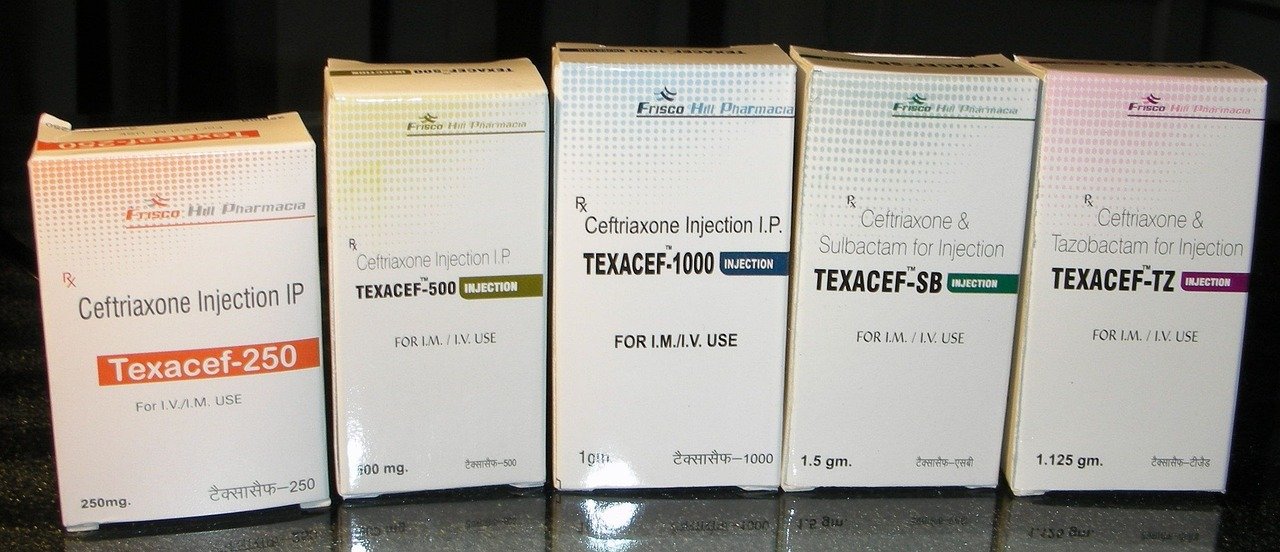
Navigating the world of healthcare can be complex, and understanding prescription drug coverage is a crucial piece of the puzzle. Whether you’re managing chronic conditions, dealing with unexpected illnesses, or simply planning for the future, having a solid grasp of your options can save you significant time, money, and stress. This guide provides a comprehensive overview of prescription drug coverage, exploring various plans, costs, and strategies to make informed decisions about your healthcare needs.
Understanding Prescription Drug Coverage Options
Medicare Part D
Medicare Part D is a federal program that helps Medicare beneficiaries pay for prescription drugs. It’s administered by private insurance companies that are approved by Medicare.
- How it Works: You enroll in a Part D plan and pay a monthly premium. The plan helps cover the cost of your medications.
- Standard Coverage: While plans vary, a typical Part D plan has a deductible, an initial coverage period where you share costs with the plan, a coverage gap (“donut hole”) where you may pay a higher percentage of drug costs, and catastrophic coverage where you pay a small amount for covered drugs.
- Example: John enrolls in a Part D plan with a $500 deductible. He pays the full cost of his medications until he meets the $500 deductible. After that, he enters the initial coverage period, where he pays 25% of his drug costs, and the plan covers the remaining 75%, until a certain total drug cost limit.
- Actionable Takeaway: Review your medications and compare Part D plans during the annual enrollment period (October 15 – December 7) to ensure you have the best coverage for your needs. Use the Medicare Plan Finder tool on the Medicare website.
Employer-Sponsored Plans
Many employers offer prescription drug coverage as part of their benefits package. These plans can vary widely in terms of cost-sharing, formulary, and pharmacy network.
- Key Features: Employer plans often have lower premiums compared to individual plans. They may also offer more comprehensive coverage and a wider range of covered drugs.
- Formulary: The formulary is a list of drugs covered by the plan. It’s important to check if your medications are on the formulary before enrolling.
- Pharmacy Network: Using in-network pharmacies usually results in lower costs. Check the plan’s pharmacy network to see if your preferred pharmacy is included.
- Example: Sarah’s employer offers a health plan with prescription drug coverage. The plan has a tiered copay system: $10 for generic drugs, $30 for preferred brand-name drugs, and $50 for non-preferred brand-name drugs. Sarah takes a generic medication and only pays $10 per prescription.
- Actionable Takeaway: Carefully review your employer’s benefits package and understand the details of the prescription drug coverage. Compare the cost-sharing, formulary, and pharmacy network to ensure it meets your needs.
Individual and Family Plans (Marketplace)
If you don’t have access to Medicare or employer-sponsored coverage, you can purchase a health insurance plan through the Health Insurance Marketplace (healthcare.gov). These plans often include prescription drug coverage.
- Covered Benefits: Marketplace plans must cover essential health benefits, including prescription drugs.
- Cost-Sharing: These plans typically have premiums, deductibles, copays, and coinsurance. The amount you pay will depend on the plan’s metal level (Bronze, Silver, Gold, Platinum).
- Subsidies: You may be eligible for subsidies to help lower your monthly premiums and out-of-pocket costs. Eligibility is based on income and household size.
- Example: Maria purchases a Silver plan through the Marketplace. The plan has a deductible of $2,000 and a copay of $40 for each prescription after the deductible is met. She also receives a subsidy that reduces her monthly premium by $300.
- Actionable Takeaway: Use the Health Insurance Marketplace to compare plans and see if you’re eligible for subsidies. Carefully consider the plan’s cost-sharing and formulary.
Understanding Formulary and Drug Tiers
What is a Formulary?
A formulary is a list of prescription drugs covered by a health insurance plan. Insurance companies create formularies based on a variety of factors, including cost-effectiveness, safety, and clinical effectiveness.
- Purpose: Formularies help insurance companies manage costs and ensure that members receive appropriate and affordable medications.
- Tiered Systems: Many formularies use a tiered system, where drugs are grouped into different tiers based on their cost. Lower-tier drugs typically have lower copays or coinsurance amounts.
- Example: A formulary might have four tiers: Tier 1 (generic drugs), Tier 2 (preferred brand-name drugs), Tier 3 (non-preferred brand-name drugs), and Tier 4 (specialty drugs).
- Actionable Takeaway: Always check the formulary of any health insurance plan to ensure that your medications are covered and to understand the cost-sharing for each drug.
Common Drug Tiers
Understanding drug tiers can help you estimate your out-of-pocket costs for prescriptions.
- Tier 1: Generic Drugs: These are typically the most affordable options, as they are copies of brand-name drugs and have the same active ingredients.
- Tier 2: Preferred Brand-Name Drugs: These are brand-name drugs that the insurance company has negotiated lower prices for.
- Tier 3: Non-Preferred Brand-Name Drugs: These brand-name drugs may be more expensive than preferred brand-name drugs.
- Tier 4: Specialty Drugs: These are often high-cost medications used to treat complex conditions. They may require prior authorization or have specific requirements.
- Example: David’s insurance plan has a four-tier formulary. His generic blood pressure medication is in Tier 1, with a $10 copay. A preferred brand-name medication for his allergies is in Tier 2, with a $30 copay.
- Actionable Takeaway: Familiarize yourself with the drug tiers in your insurance plan and discuss any concerns about medication costs with your doctor or pharmacist.
Strategies for Saving on Prescription Drugs
Generic Alternatives
Generic drugs contain the same active ingredients as brand-name drugs but are typically much cheaper.
- Benefits: Switching to a generic drug can significantly reduce your prescription costs without compromising the effectiveness of your treatment.
- Talk to Your Doctor: Discuss with your doctor whether there is a generic alternative to your current medication.
- Example: Lisa’s doctor prescribes a brand-name cholesterol medication. She asks if there’s a generic alternative, and her doctor prescribes a generic version that saves her $50 per month.
- Actionable Takeaway: Always ask your doctor or pharmacist about generic alternatives to your medications.
Discount Cards and Programs
Various discount cards and programs can help you save money on prescription drugs.
- Examples: GoodRx, SingleCare, and RxSaver offer discounts on prescription drugs at participating pharmacies.
- How They Work: These programs negotiate discounts with pharmacies and pass the savings on to consumers.
- Compare Prices: Use these tools to compare prices at different pharmacies and find the lowest cost.
- Example: Mark uses GoodRx to find a discount on his asthma inhaler. He saves $20 compared to his insurance copay.
- Actionable Takeaway: Before filling a prescription, check discount card websites or apps to see if you can get a lower price than your insurance copay.
Pharmacy Savings Programs
Many pharmacies offer their own savings programs that can provide discounts on prescription drugs.
- Membership: These programs often require a small membership fee but can offer significant savings on commonly prescribed medications.
- Examples: Walmart, Kroger, and CVS offer pharmacy savings programs.
- Check Eligibility: Check the eligibility requirements and benefits of these programs to see if they’re a good fit for your needs.
- Example: Emily enrolls in a pharmacy savings program that costs $20 per year. She saves $15 per month on her diabetes medication, resulting in a significant annual savings.
- Actionable Takeaway: Research pharmacy savings programs and compare their benefits to see if you can save money on your medications.
Navigating Common Prescription Drug Issues
Prior Authorization
Prior authorization is a requirement from your insurance company that your doctor must obtain approval before you can fill a prescription.
- Why it’s Required: Insurance companies use prior authorization to ensure that medications are used appropriately and cost-effectively.
- Process: Your doctor will need to submit documentation to the insurance company explaining why the medication is medically necessary.
- Potential Delays: Prior authorization can cause delays in getting your prescription filled.
- Example: John’s doctor prescribes a new medication for his arthritis. His insurance company requires prior authorization. John’s doctor submits the necessary documentation, and the insurance company approves the prescription within a few days.
- Actionable Takeaway: If your insurance company requires prior authorization for a medication, work closely with your doctor to ensure that the necessary documentation is submitted promptly.
Quantity Limits
Quantity limits restrict the amount of medication you can obtain at one time.
- Purpose: Insurance companies use quantity limits to prevent overuse and waste of medications.
- Impact on Refills: These limits may affect how often you need to refill your prescriptions.
- Exceptions: In some cases, you may be able to request an exception to the quantity limit if you have a valid medical reason.
- Example: Sarah’s insurance plan has a quantity limit of 30 tablets per month for her pain medication. She needs more than 30 tablets, so her doctor submits a request for an exception, which is approved by the insurance company.
- Actionable Takeaway: If your insurance company imposes quantity limits on your medications, discuss your needs with your doctor and explore options for requesting an exception if necessary.
Appealing Coverage Denials
If your insurance company denies coverage for a prescription drug, you have the right to appeal the decision.
- Reasons for Denial: Coverage denials can occur for various reasons, such as the medication not being on the formulary, not meeting medical necessity criteria, or not obtaining prior authorization.
- Appeal Process: The appeal process typically involves submitting a written request to the insurance company, along with supporting documentation from your doctor.
- External Review: If your initial appeal is denied, you may have the right to an external review by an independent third party.
- Example: David’s insurance company denies coverage for a new medication prescribed by his doctor. David files an appeal with the insurance company, providing additional documentation from his doctor. The insurance company reverses its decision and approves coverage.
- Actionable Takeaway: If your insurance company denies coverage for a prescription drug, understand your appeal rights and follow the appeal process to challenge the denial.
Conclusion
Understanding prescription drug coverage is vital for managing your healthcare costs and ensuring access to the medications you need. By exploring different plan options, familiarizing yourself with formularies and drug tiers, and utilizing cost-saving strategies, you can make informed decisions about your prescription drug coverage. Don’t hesitate to consult with your doctor, pharmacist, or insurance provider to address any questions or concerns you may have. Staying informed and proactive will empower you to navigate the complexities of prescription drug coverage effectively.