









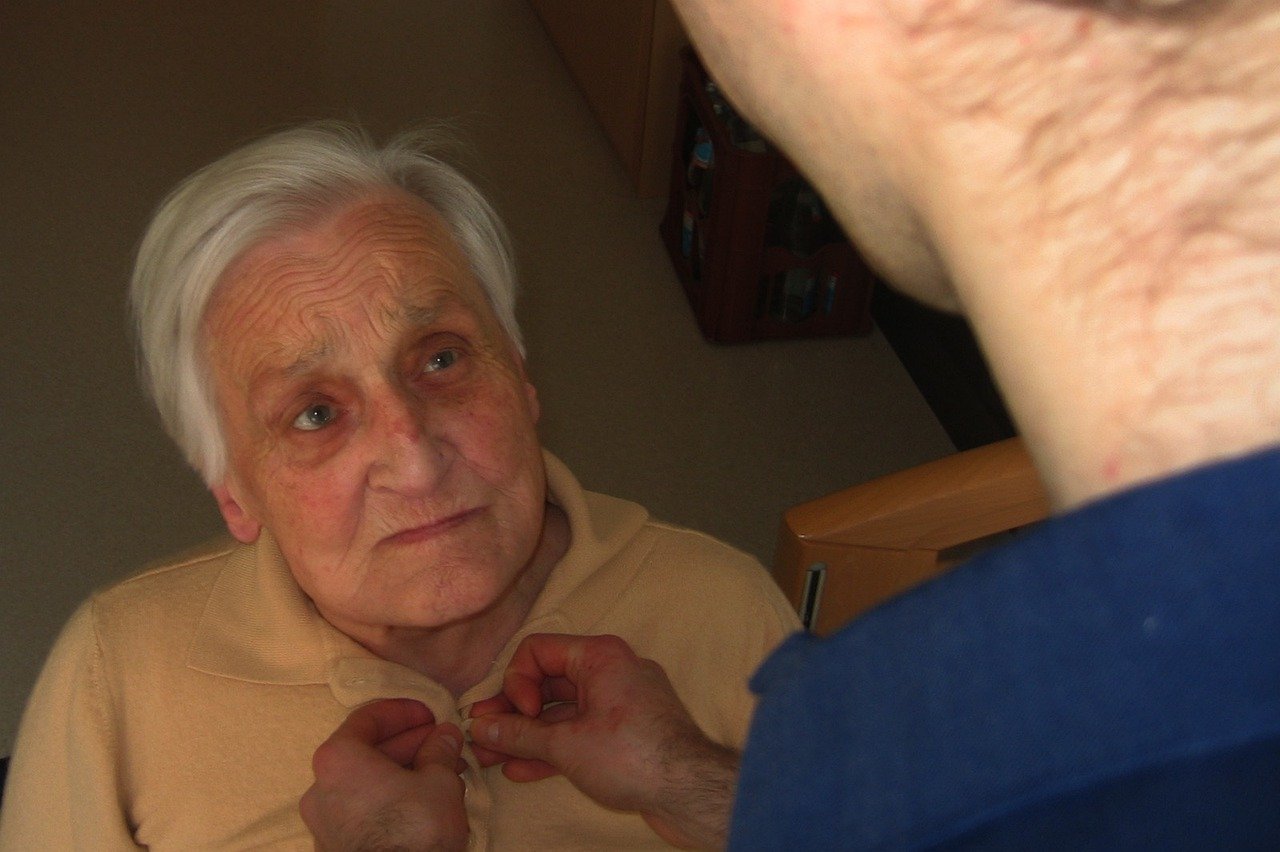
Losing mobility, strength, or cognitive function as we age can feel like a significant setback. But it doesn’t have to define the next chapter of life. Senior rehabilitation offers a pathway to regain independence, improve quality of life, and achieve personal goals, empowering older adults to live life to the fullest. This comprehensive guide will delve into the various facets of senior rehabilitation, exploring its benefits, components, and how it can help seniors thrive.
Understanding Senior Rehabilitation
What is Senior Rehabilitation?
Senior rehabilitation is a specialized form of care designed to help older adults recover from illnesses, injuries, surgeries, or chronic conditions. It’s a multidisciplinary approach focused on restoring physical, cognitive, and emotional well-being. Unlike standard medical treatments, rehabilitation focuses on maximizing functional abilities and promoting independence. Think of it as a bridge – helping seniors transition from a period of illness or injury back to their optimal level of functioning.
- Goal: To improve or restore physical, cognitive, and emotional abilities.
- Focus: Maximizing independence and quality of life.
- Approach: Multidisciplinary, involving a team of healthcare professionals.
- Duration: Typically short-term, but can vary based on individual needs.
Who Benefits from Senior Rehabilitation?
Senior rehabilitation can benefit individuals facing a wide range of challenges, including:
- Stroke recovery
- Hip or knee replacement surgery
- Cardiac events
- Pulmonary issues
- Traumatic brain injury
- Spinal cord injury
- Arthritis and other musculoskeletal conditions
- General weakness and deconditioning due to prolonged illness or hospitalization
- Cognitive decline due to dementia or other neurological conditions
- Balance problems and fall prevention
Essentially, anyone experiencing a decline in their ability to perform daily activities could potentially benefit from a senior rehabilitation program. For example, a senior recovering from a hip fracture might need physical therapy to regain strength and mobility, occupational therapy to learn adaptive techniques for dressing and bathing, and speech therapy if the injury impacted their communication skills.
Where is Senior Rehabilitation Provided?
Senior rehabilitation services are offered in various settings, allowing individuals to choose the option that best suits their needs and preferences. Common settings include:
- Inpatient Rehabilitation Facilities (IRFs): These facilities offer intensive rehabilitation programs with 24-hour medical supervision and therapy services. IRFs are often the best choice for individuals who require a high level of care and support.
- Skilled Nursing Facilities (SNFs): SNFs provide rehabilitation services alongside skilled nursing care. They are suitable for seniors who need ongoing medical care in addition to therapy.
- Outpatient Rehabilitation Clinics: These clinics offer therapy services on an outpatient basis, allowing individuals to live at home while receiving treatment. Outpatient rehab is a good option for those who are relatively independent and can travel to appointments.
- Home Health Rehabilitation: Rehabilitation services are provided in the individual’s home, offering convenience and comfort. This is ideal for individuals who have difficulty leaving their homes.
- Assisted Living Facilities: Some assisted living facilities offer on-site rehabilitation services or partner with local providers to bring therapy services to residents.
The Multidisciplinary Rehabilitation Team
Key Professionals Involved
Senior rehabilitation involves a coordinated effort from a team of highly skilled professionals. This team works collaboratively to develop and implement a personalized treatment plan for each individual. Key members of the rehabilitation team include:
- Physicians: Oversee the rehabilitation program and provide medical management.
- Physical Therapists (PTs): Focus on restoring mobility, strength, balance, and coordination. They may use exercises, manual therapy, and assistive devices to help individuals regain their physical function.
- Occupational Therapists (OTs): Help individuals regain the skills needed to perform daily activities, such as dressing, bathing, cooking, and using the toilet. They may recommend adaptive equipment and teach compensatory strategies to improve independence.
- Speech-Language Pathologists (SLPs): Address communication, swallowing, and cognitive issues. They can help individuals improve their speech, language comprehension, memory, and problem-solving skills.
- Rehabilitation Nurses: Provide 24-hour nursing care and support. They assist with medication management, wound care, and other medical needs.
- Social Workers: Provide emotional support and counseling, and help individuals and their families navigate the healthcare system.
- Recreational Therapists: Use recreational activities to improve physical, cognitive, and emotional well-being.
The Importance of Individualized Treatment Plans
Every senior is unique, with their own set of needs, goals, and challenges. Therefore, an individualized treatment plan is essential for effective rehabilitation. The rehabilitation team will conduct a thorough assessment to identify the individual’s specific needs and develop a plan that addresses those needs.
- Assessment: The team evaluates the individual’s physical, cognitive, and emotional status.
- Goal Setting: The individual and the team work together to set realistic and achievable goals. For example, a goal might be to walk independently with a cane or to be able to dress oneself without assistance.
- Treatment Plan: The plan outlines the specific interventions and therapies that will be used to achieve the goals.
- Progress Monitoring: The team regularly monitors progress and adjusts the treatment plan as needed.
Benefits of Senior Rehabilitation
Physical Benefits
- Improved Strength and Endurance: Rehabilitation programs often involve exercises to rebuild muscle strength and improve endurance.
- Increased Mobility and Balance: Physical therapy can help individuals regain their ability to move around safely and independently.
- Reduced Pain: Rehabilitation can help manage pain through a variety of techniques, such as exercise, manual therapy, and pain medication.
- Enhanced Cardiovascular Health: Exercise and activity can improve cardiovascular health.
- Prevention of Falls: Balance training and other interventions can help prevent falls, a major cause of injury and hospitalization in older adults.
Cognitive Benefits
- Improved Memory and Attention: Cognitive rehabilitation can help individuals improve their memory, attention, and other cognitive skills.
- Enhanced Problem-Solving and Decision-Making Abilities: Therapy can help seniors regain their ability to solve problems and make sound decisions.
- Increased Communication Skills: Speech therapy can improve communication skills.
- Improved Orientation and Awareness: Cognitive stimulation can help individuals stay oriented to time, place, and person.
Emotional and Social Benefits
- Reduced Depression and Anxiety: Rehabilitation can help improve mood and reduce feelings of depression and anxiety.
- Increased Self-Esteem and Confidence: Regaining independence and achieving goals can boost self-esteem and confidence.
- Improved Social Interaction: Group therapy and recreational activities can provide opportunities for social interaction and connection.
- Enhanced Quality of Life: By improving physical, cognitive, and emotional well-being, rehabilitation can significantly enhance quality of life.
Financing Senior Rehabilitation
Understanding Your Options
Navigating the financial aspects of senior rehabilitation can be complex. Understanding your options is crucial to ensuring access to the care you need. Common sources of funding include:
- Medicare: Medicare Part A covers inpatient rehabilitation in IRFs and SNFs, subject to certain eligibility requirements. Medicare Part B covers outpatient rehabilitation services.
- Medicaid: Medicaid provides coverage for low-income individuals who meet certain eligibility criteria.
- Private Health Insurance: Private health insurance plans may cover some or all of the costs of rehabilitation.
- Long-Term Care Insurance: Long-term care insurance can help pay for rehabilitation services, particularly in SNFs and at home.
- Out-of-Pocket Payments: Some individuals may need to pay for some or all of their rehabilitation expenses out of pocket.
Tips for Managing Costs
- Check your insurance coverage: Contact your insurance provider to understand your coverage for rehabilitation services.
- Compare prices: Rehabilitation costs can vary depending on the setting and the specific services provided. Compare prices from different providers to find the most affordable option.
- Explore financial assistance programs: Several financial assistance programs are available to help seniors pay for healthcare expenses. Contact your local Area Agency on Aging or a social worker to learn more.
- Consider a payment plan: Some providers may offer payment plans to help make rehabilitation more affordable.
Choosing the Right Rehabilitation Program
Factors to Consider
Selecting the right rehabilitation program is a crucial step in ensuring a successful recovery. Consider the following factors when making your decision:
- Individual needs: Assess the specific needs and goals of the individual.
- Program focus: Choose a program that specializes in the individual’s specific condition or injury.
- Location and accessibility: Select a program that is conveniently located and accessible.
- Accreditation and licensing: Ensure that the program is accredited and licensed.
- Staff qualifications: Verify that the staff is qualified and experienced in senior rehabilitation.
- Patient-to-staff ratio: Look for a program with a low patient-to-staff ratio to ensure adequate attention.
- Amenities and services: Consider the amenities and services offered by the program, such as recreational activities and social support.
- Reviews and testimonials: Read reviews and testimonials from previous patients to get a sense of the program’s quality.
- Visit and ask questions: Visit the program and ask questions to get a better understanding of what it offers.
Questions to Ask Potential Providers
- What is your program’s success rate for individuals with my condition?
- What is the patient-to-staff ratio?
- What types of therapy services do you offer?
- What is the cost of the program, and what does it include?
- Do you accept my insurance?
- What is your discharge planning process?
- Can I speak with former patients or their families?
- What is your policy on family involvement?
Conclusion
Senior rehabilitation is a powerful tool for improving the lives of older adults facing physical, cognitive, or emotional challenges. By understanding the benefits, components, and financing options available, seniors and their families can make informed decisions and access the care they need to regain independence and live life to the fullest. Remember to prioritize individualized treatment plans, a multidisciplinary approach, and a focus on achieving personal goals. Taking proactive steps towards rehabilitation can pave the way for a brighter, more fulfilling future.