









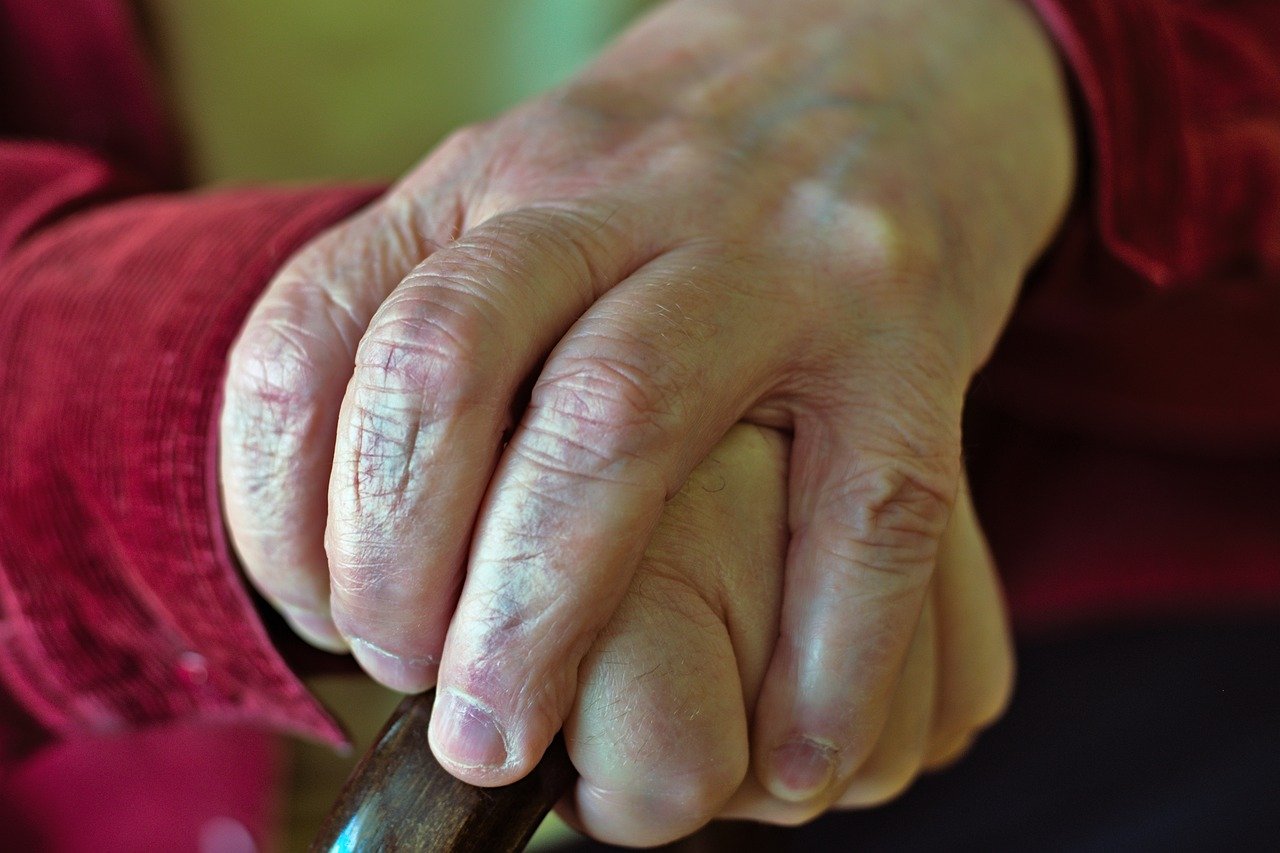
Navigating the golden years should be a time of relaxation, joy, and fulfillment. However, for many seniors, this period can be shadowed by mental health challenges. Understanding these challenges, recognizing their symptoms, and knowing how to access support are crucial for ensuring a high quality of life for our aging population. This article provides a comprehensive guide to senior mental health, offering insights, practical advice, and resources for seniors, their families, and caregivers.
Understanding Senior Mental Health
Mental health in older adults is a critical aspect of overall well-being. While it’s a common misconception that feeling down or anxious is just a normal part of aging, these symptoms can indicate underlying mental health conditions that require attention and treatment. Addressing these issues can significantly improve a senior’s quality of life, independence, and overall health.
Common Mental Health Conditions in Seniors
Seniors are susceptible to a range of mental health conditions, some of the most prevalent include:
- Depression: More than just feeling sad, depression in seniors can manifest as persistent fatigue, loss of interest in activities, changes in appetite or sleep, and feelings of worthlessness or hopelessness.
- Anxiety: This can range from generalized anxiety disorder to specific phobias. Symptoms can include excessive worry, restlessness, difficulty concentrating, and physical symptoms like increased heart rate or sweating.
- Dementia-Related Behavioral Issues: Conditions like Alzheimer’s disease can lead to behavioral changes such as agitation, aggression, wandering, and sleep disturbances.
- Substance Use Disorders: While often overlooked, substance abuse can be a problem among seniors, often as a way to cope with loneliness, grief, or chronic pain.
Risk Factors for Mental Health Issues in Seniors
Several factors can increase the risk of mental health problems in older adults. These include:
- Social Isolation and Loneliness: The loss of loved ones, reduced mobility, and limited social interaction can contribute to feelings of isolation and loneliness, significantly impacting mental well-being. For example, someone who recently lost their spouse and lives alone might experience profound loneliness and depression.
- Chronic Illness and Pain: Managing chronic health conditions and persistent pain can be physically and emotionally draining, leading to depression and anxiety.
- Loss of Independence: The inability to perform daily tasks independently can lead to feelings of helplessness and loss of self-worth.
- Financial Strain: Financial worries, such as affording healthcare or housing, can be a significant source of stress and anxiety.
- Grief and Bereavement: The experience of losing loved ones, especially spouses or close friends, can trigger grief and depression.
Recognizing the Signs and Symptoms
Early detection of mental health issues is crucial for effective intervention. However, recognizing these signs in seniors can be challenging, as they may be attributed to normal aging or other medical conditions.
Identifying Key Symptoms
Be aware of the following signs and symptoms that may indicate a mental health problem:
- Changes in Mood or Behavior: Noticeable shifts in mood, such as increased irritability, sadness, or anxiety.
- Withdrawal from Social Activities: Loss of interest in hobbies or social events they once enjoyed.
- Changes in Appetite or Sleep Patterns: Significant weight loss or gain, difficulty sleeping, or excessive sleepiness.
- Cognitive Difficulties: Problems with memory, concentration, or decision-making.
- Increased Confusion or Disorientation: Feeling disoriented or confused, especially in familiar surroundings.
- Expressions of Hopelessness or Suicidal Thoughts: Any indication of feeling worthless, hopeless, or having thoughts of death or suicide should be taken seriously.
Practical Examples of Symptom Recognition
Consider these examples:
- Scenario 1: A senior who used to enjoy gardening suddenly stops going outside and expresses feelings of worthlessness. This could indicate depression.
- Scenario 2: An older adult who constantly worries about their finances and experiences panic attacks may be suffering from anxiety.
- Scenario 3: A person with dementia who becomes increasingly agitated and aggressive in the late afternoon (“sundowning”) may need adjustments to their care plan.
Seeking Professional Help and Treatment
Addressing mental health issues requires professional intervention. Encourage seniors and their families to seek help from qualified mental health professionals.
Types of Mental Health Professionals
Several types of professionals can provide support and treatment:
- Psychiatrists: Medical doctors specializing in mental health who can diagnose conditions, prescribe medications, and provide therapy.
- Psychologists: Professionals with doctoral degrees in psychology who offer therapy and counseling.
- Licensed Clinical Social Workers (LCSWs): Social workers trained in providing mental health services, including therapy and case management.
- Geriatric Mental Health Specialists: Professionals with specialized training in addressing the mental health needs of older adults.
Treatment Options
A variety of treatment options are available, tailored to the individual’s needs:
- Psychotherapy: Talk therapy, such as cognitive behavioral therapy (CBT) or interpersonal therapy (IPT), can help seniors manage their thoughts, feelings, and behaviors. For example, CBT can help address negative thought patterns contributing to depression.
- Medication: Antidepressants, anti-anxiety medications, or other medications may be prescribed to manage symptoms. It’s crucial to discuss potential side effects and interactions with other medications with a doctor.
- Support Groups: Joining a support group can provide a sense of community and shared experience. For example, a grief support group can help seniors cope with loss.
- Lifestyle Changes: Encouraging healthy habits, such as regular exercise, a balanced diet, and adequate sleep, can improve mental well-being.
How to Find Mental Health Services
- Consult with a Primary Care Physician: A primary care doctor can provide referrals to mental health specialists.
- Contact Local Mental Health Agencies: Local mental health agencies can provide information on available services and resources.
- Use Online Directories: Websites like the American Psychological Association (APA) or the National Alliance on Mental Illness (NAMI) offer directories of mental health professionals.
- Check with Insurance Providers: Insurance companies can provide a list of in-network providers.
- Senior Centers: Many senior centers offer mental health programs or can connect seniors with local resources.
Supporting Senior Mental Health
Creating a supportive environment is essential for promoting mental well-being in older adults. Family, friends, and caregivers play a crucial role in providing emotional support and practical assistance.
Practical Tips for Supporting Seniors
- Encourage Social Engagement: Help seniors stay connected with others by arranging visits, outings, or participation in community activities. Joining a book club or volunteering can provide opportunities for social interaction.
- Promote Physical Activity: Encourage regular exercise, such as walking, swimming, or chair yoga.
- Provide Emotional Support: Listen to their concerns, validate their feelings, and offer reassurance.
- Assist with Daily Tasks: Help with tasks that may be challenging, such as grocery shopping, meal preparation, or transportation.
- Create a Safe and Comfortable Environment: Ensure their living space is safe, comfortable, and conducive to relaxation. Remove potential hazards and provide adequate lighting.
- Advocate for Their Needs: If a senior is unable to advocate for themselves, help them access necessary medical care, social services, or legal assistance.
Caregiver Self-Care
Caring for a senior with mental health issues can be demanding. It’s essential for caregivers to prioritize their own well-being to avoid burnout.
- Take Breaks: Schedule regular breaks to rest and recharge.
- Seek Support: Join a caregiver support group or talk to a therapist or counselor.
- Maintain Personal Interests: Continue to engage in hobbies and activities that bring you joy.
- Practice Self-Care: Engage in activities that promote relaxation and stress reduction, such as meditation, yoga, or spending time in nature.
Conclusion
Senior mental health is a vital aspect of overall well-being that deserves attention and care. By understanding the common mental health challenges faced by seniors, recognizing the signs and symptoms, seeking professional help, and providing supportive environments, we can significantly improve the quality of life for our aging population. Remember, mental health is just as important as physical health, and early intervention can make a world of difference. Prioritizing senior mental health ensures that the golden years truly shine.